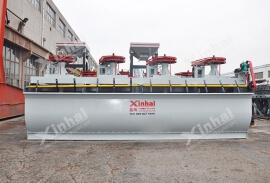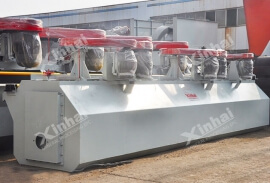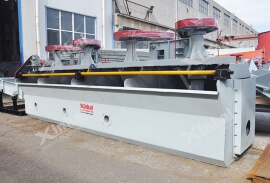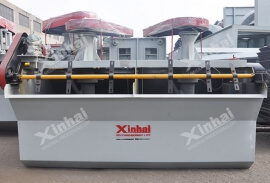


Flotation machines are really the heart of most mineral processing plants. They separate valuable minerals from waste rock by exploiting differences in how minerals react with water and air. Basically, you add some chemicals to the ore slurry, blow in air bubbles, and the good stuff sticks to the bubbles and floats up as froth, while the unwanted material sinks. It’s a pretty clever system and super important in mining.
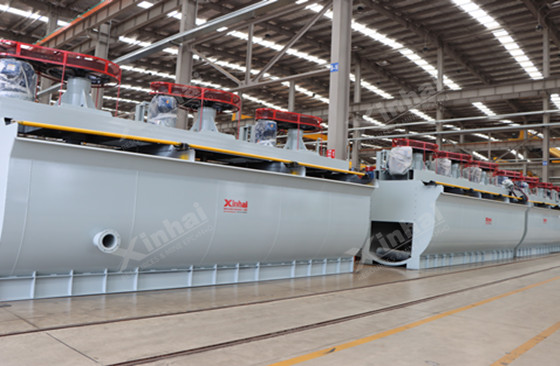
Keeping the flotation machine running smoothly isn’t that complicated, but you do need to pay attention to a few regular checks during daily operation.
First, always keep an eye on the bearings in the motor and the impeller. If they start getting too hot, that’s a red flag. Normally, the temperature rise shouldn’t exceed 35°C, and the highest temperature should remain below 65°C. If it feels hotter than that, better stop and check what’s going on.
Next, check the drive belt tension. It shouldn’t be too loose or too tight. If the belt is badly worn out, replace it with a new one of the same length and type.
Also, make sure the oil seal around the bearing is still doing its job. You don’t want grease leaking into the slurry — that can mess up the whole flotation process.
Don’t forget to top up the grease at all lubrication points when it runs low, and always clear out any junk or debris that collects inside the cell. Little things like this can save you a lot of trouble later.
When it comes to maintenance, there are a few important things to watch out for. When you replace the impeller or stator, remember to adjust the gap between them — usually 6-10 mm works best. Too tight or too loose, and the performance drops.
Before putting on a new impeller, take a quick look at the rubber sleeve protecting the shaft. If it’s worn, swap it out right away.
If the bearing has excessive play due to wear, you can usually fix it by tightening the outer race a bit. And if the oil seal starts leaking, replace it quickly, but don’t squeeze it too hard when installing.
After a big overhaul, don’t rush straight into production. Clean the cell thoroughly first, then do a test run with just water, gradually adding feed while watching how everything moves. Pay special attention to whether the impeller is running smoothly without weird vibrations.
Oh, and before starting the motor, double-check the rotation direction. From the top, the impeller should turn clockwise.
During normal running, you also need to keep adjusting the pulp level so the froth can be scraped off nicely without the slurry overflowing into the concentrate launder.
Say what you will, but taking care of these details really makes a big difference in how well the flotation process works. Most plants rely heavily on flotation these days, so understanding the basic operation and maintenance can help avoid unnecessary downtime and keep the recovery rate high.
Share your project details and our engineers will get back to you shortly.
 CHAT
CHAT MESSAGE