
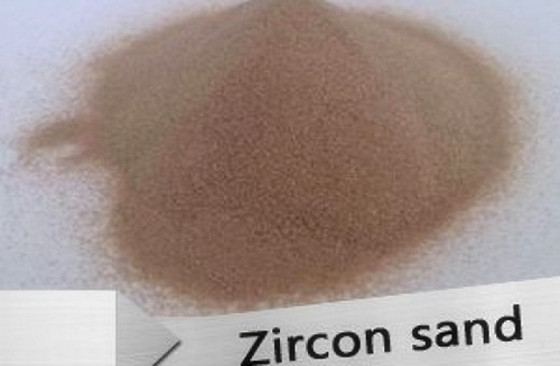
Zircon sand ranks among the world’s most valuable heavy mineral resources. It plays a key role in ceramics, foundry casting, refractories, chemicals, and various high-end industrial applications. With the increasing global demand for high-quality zircon, mining companies are concentrating on enhancing recovery rates, producing top-grade concentrates, and keeping costs in check.
However, the process of extracting zircon sand can be quite challenging due to the distinct characteristics of each deposit, which include variations in mineral composition and grain size. What works effectively at one site may not translate well to another, often resulting in poor recovery or inconsistent quality. By tackling common issues with strategic solutions, companies can significantly boost plant performance and profitability.
No two zircon sand deposits are identical. Even deposits located within the same region may exhibit considerable differences in heavy mineral assemblages, liberation characteristics, particle size distribution, and weathering conditions. Many processing plants are designed using standard flowsheets or previous project experience without fully understanding the mineralogical characteristics of the new deposit. This often results in reduced recovery, unstable operation, and unnecessary equipment modifications after commissioning.
Recommended solutions
Start every project with thorough ore characterization. Detailed mineralogical analysis, particle size studies, and laboratory-scale beneficiation tests provide the foundation for the right separation strategy. For complex ores, pilot-scale testing is especially valuable. Instead of forcing a generic process, experienced engineers can tailor the flowsheet to the specific deposit, optimizing equipment choices and parameters from day one.
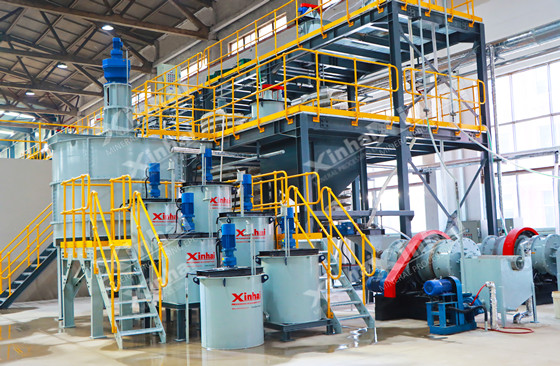
Gravity separation is the main workhorse for zircon recovery due to its high specific gravity. Yet many operations see lower-than-expected recoveries because of incomplete liberation, unstable feed conditions, unsuitable particle size ranges, or suboptimal operating parameters. Small changes in feed rate, pulp density, or spiral settings can push valuable zircon straight into the tailings.
Recommended solutions
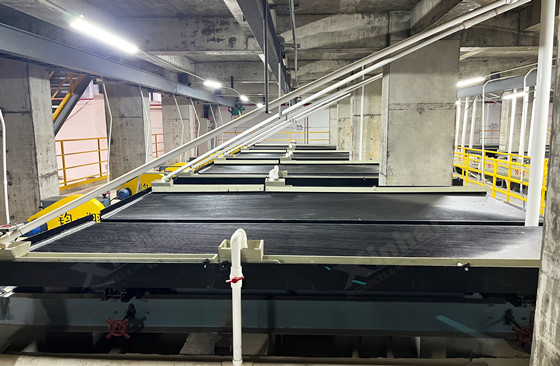
Strong gravity performance starts with proper feed preparation—careful grinding and classification that delivers the right size range without generating too many fines. Stable feed conditions are equally critical. Consistent pulp density and flow rates let spirals and shaking tables work at their best. Ongoing monitoring and accurate metallurgical accounting allow teams to spot losses early and keep improving the circuit.
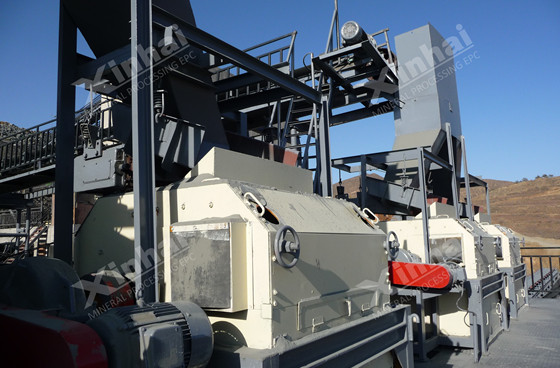
Zircon rarely occurs by itself. It is usually mixed with ilmenite, rutile, garnet, magnetite, monazite, and other heavies that have similar densities or overlapping particle sizes. Gravity separation alone often cannot reach the high concentrate grades customers demand, and attached magnetic minerals can further reduce purity.
Recommended solutions
The most successful plants combine multiple technologies rather than relying on one method. After initial gravity concentration, magnetic separation removes strongly and weakly magnetic minerals, while electrostatic separation distinguishes conductive minerals from non-conductive zircon. Multi-stage cleaning circuits are often essential to achieve both high recovery and high purity. The key is designing the circuit based on detailed mineralogical data rather than standard equipment setups.
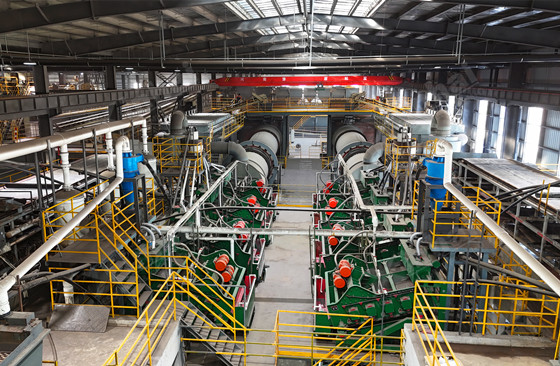
Many deposits contain considerable clay, weathered material, and ultrafine particles. These slimes hinder gravity separation by increasing pulp viscosity, disrupting stratification, and contaminating the final concentrate. They can also cause blockages, accelerate equipment wear, and create unstable operating conditions.
Recommended solutions
Incorporate effective ore washing early in the process. Attrition scrubbing breaks down clay coatings on valuable minerals, while desliming cyclones or hydraulic classifiers remove excess fines before gravity separation. A cleaner feed stream leads to better separation efficiency, lower maintenance needs, and more consistent product quality.
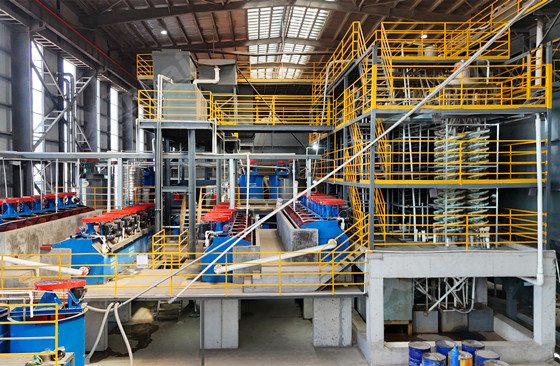
Fine zircon particles are one of the toughest challenges in heavy mineral sands processing. Conventional gravity equipment works well for medium sizes but often loses very fine zircon to tailings. As global ore grades gradually decline, even small losses can add up to significant lost revenue over the life of a mine.
Recommended solutions
Reducing fine losses requires optimization across the entire circuit. Better classification, staged gravity recovery, and suitable fine-particle separation equipment can make a big difference. Regular tailings sampling and metallurgical balancing help uncover hidden opportunities. With systematic attention, many operations can recover extra value that might otherwise be written off as unavoidable.
Why it happens
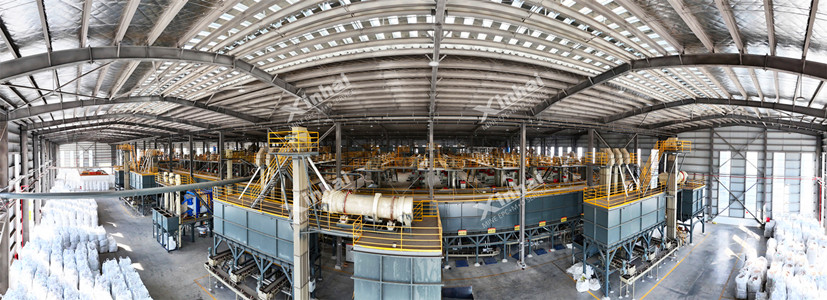
Some plants perform adequately during commissioning but struggle to maintain efficiency over the years. The root cause is often the overall process design rather than individual pieces of equipment. Choosing machinery based only on upfront cost or nominal capacity—without considering ore variability, future expansion, water availability, or maintenance—usually leads to higher long-term costs and reduced flexibility.
Recommended solutions
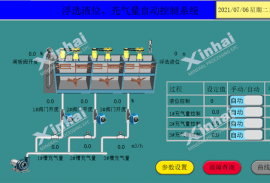
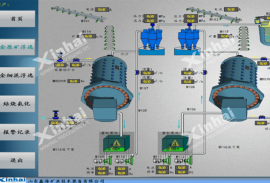
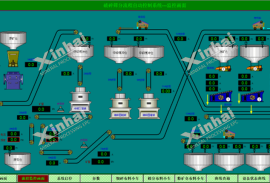
Success comes from integrating mineral testing, process engineering, equipment selection, and plant layout into one cohesive strategy. Modern plants benefit from flexible flowsheets that can adapt to changing ore conditions. Modular designs, efficient water recycling, and automated process control all help improve stability while lowering energy and water use. The decisions made during the design phase often shape plant performance for decades.
Every zircon sand deposit brings its own technical challenges, and there is no one-size-fits-all solution. High recovery, consistent quality, and sustainable costs come from an integrated understanding of the ore, beneficiation technologies, and sound process engineering.
From detailed mineral testing and flowsheet development through equipment manufacturing, plant construction, and commissioning, every step matters.
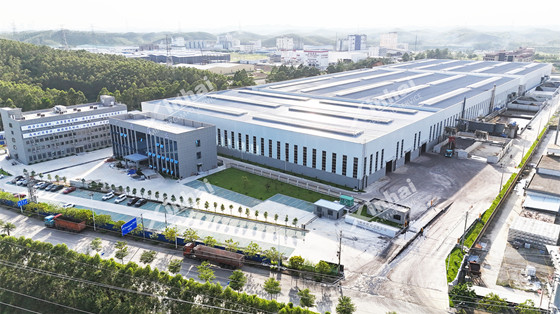
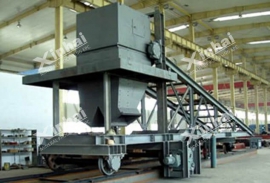
(600 kt/a titanium-zirconium ore beneficiation plant design in Guangxi)
With extensive experience in heavy mineral sands beneficiation, Xinhai Mining Group delivers integrated solutions—including mineral processing test work, customized process design, equipment manufacturing, EPC project delivery, and ongoing technical support. By combining engineering expertise with project-specific optimization, we help mining companies build zircon sand plants that deliver higher recovery, better concentrate quality, and reliable long-term performance.
Share your project details and our engineers will get back to you shortly.
 CHAT
CHAT MESSAGE