
Global copper supply looks set to stay tight through 2026. Treatment and refining charges keep facing strong downward pressure. Sometimes they even go negative. In this tough market, many copper mines now count on good recovery of associated metals to stay profitable. These metals include gold, silver, molybdenum, lead, zinc, and nickel.
Ore types differ a lot from one mine to another. Mineral makeup, how minerals stick together, and how easy it is to separate them change greatly. That is why no single process works everywhere. Picking the right flowsheet matters a lot. It helps reach higher metal recovery and better project value. Here we look at the main strategies used for four common copper-associated ore types.
In these ores, copper usually shows up as chalcopyrite and chalcocite. Gold appears mostly as native gold or electrum. It often sits together with pyrite and quartz.
✰Selective Flotation (Priority Flotation)
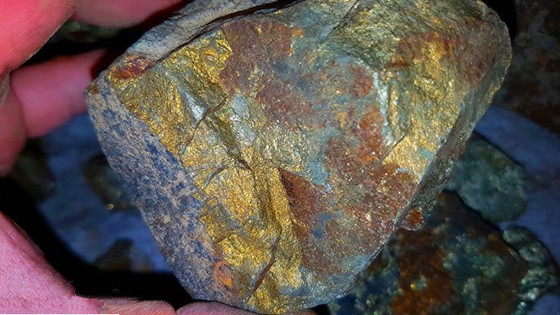
Miners choose this method when gold is already free or closely linked with copper sulfides. Teams use xanthate collectors and frothers right away. These chemicals help float chalcopyrite and gold-bearing sulfides first. This step creates a copper-gold concentrate. After that, workers scavenge the tailings to catch any extra gold that slipped away. In the cleaning stage, operators add lime to raise the pulp pH. This action pushes pyrite down. As a result, the final copper concentrate reaches higher grades. Many operations in Australia and Canada like this approach because it keeps things straightforward when the ore behaves nicely.
✰Bulk Flotation
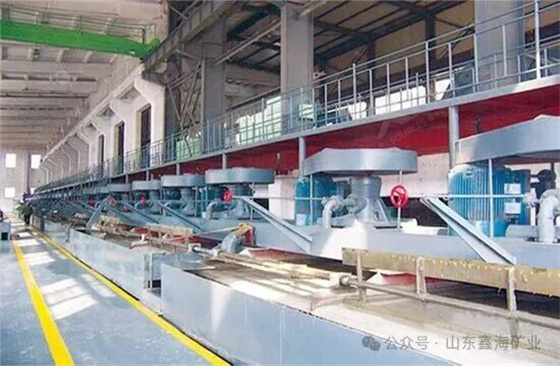
Mines turn to bulk flotation when they face complex ores with very fine gold spread all over. Here, copper sulfides, pyrite, and gold-bearing minerals float together into one bulk concentrate. Workers then regrind this material before they separate copper and gold. Later, the plant sends residual gold in the tailings to cyanidation circuits. They often use carbon-in-leach (CIL) or carbon-in-pulp (CIP) systems. This extra step pulls out more gold and lifts total recovery.
Key Equipment:
Crushing & Screening: Jaw Crusher, Cone Crusher, Vibrating Screen, Vibrating Feeder
Grinding & Classification: Ball Mill, Hydrocyclone, Spiral Classifier
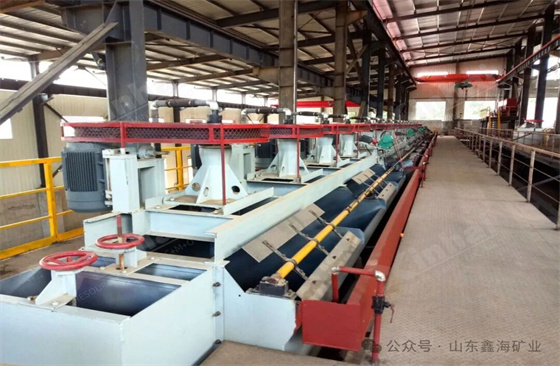
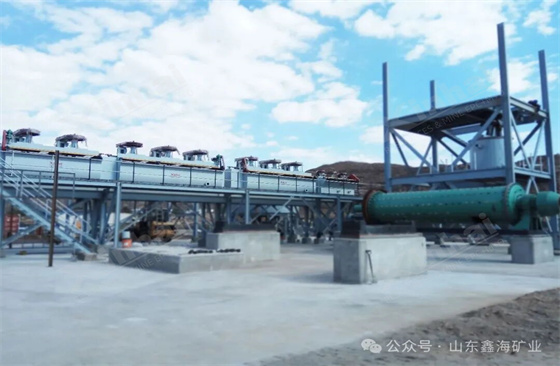
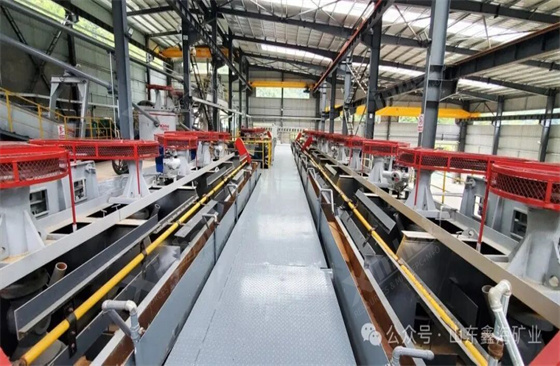
Flotation: Flotation Cells (rougher, scavenger, cleaner), Agitation Tanks, Reagent Feeding System
Gold Recovery: Leaching Tanks, Carbon Adsorption Equipment (CIL/CIP), Desorption & Electrolysis System
Dewatering: Efficient Thickener, Filter Press, Disc Vacuum Filter
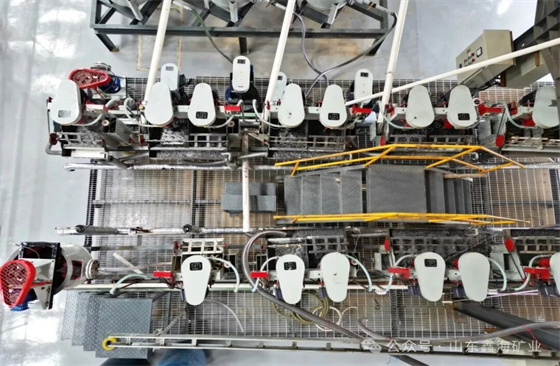
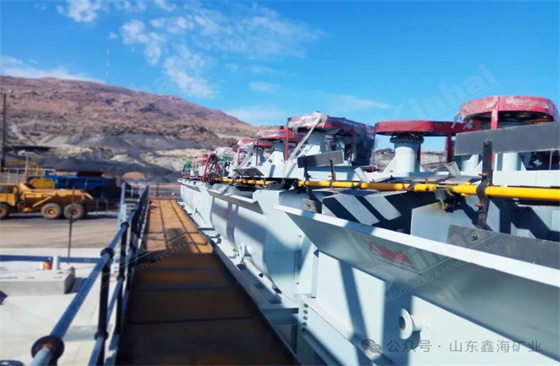
Xinhai provides KYF/XCF inflatable flotation machines, BF mechanical agitation flotation cells, high-efficiency ball mills, and complete gold cyanidation systems (including double-impeller leaching tanks). They excel in delivering full EPC+M+O solutions for copper-gold projects.
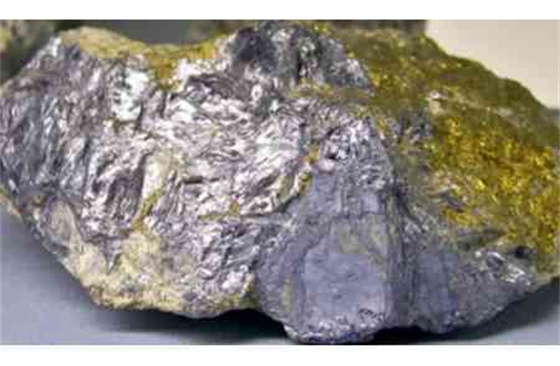
These ores usually come from porphyry deposits. They contain chalcopyrite, bornite, and molybdenite. Copper and molybdenum sulfides float in similar ways. They also sit tightly together in fine grains. Plants often need ultrafine grinding to free the minerals properly.
✰Priority Flotation
This method tries to float molybdenite first or copper first. On paper it sounds simple. In real plants, however, it needs very exact reagent control. Once a mineral gets depressed, bringing it back to life is hard. Recovery rates often drop. Because of these headaches and higher costs, only a few operations still run this flowsheet regularly.
✰Equal-Float (Partial Bulk) Flotation
Plants use a two-stage setup. In the first stage, the circuit recovers molybdenite along with some copper. This produces a molybdenum concentrate and a primary copper concentrate. The second stage then goes after the rest of the copper in the tailings. This way uses fewer strong depressants. Still, the circuit becomes more complex. Operators sometimes struggle to keep concentrate quality high. Mines test this approach when they want to cut certain chemicals but accept extra control work.
✰Bulk Flotation (Most Widely Used)
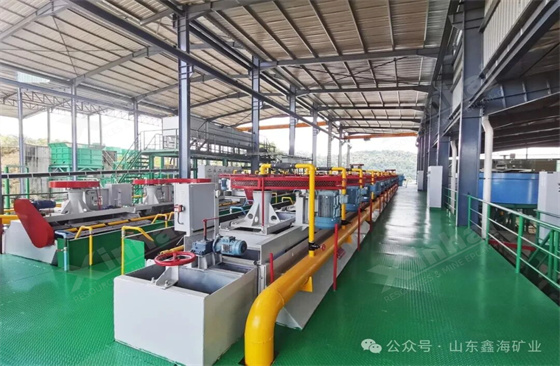
Most plants now run bulk flotation for copper-molybdenum ores. They float copper and molybdenum together into a bulk concentrate. Teams add xanthate and kerosene collectors. They also use lime and sodium silicate as modifiers. After that, the separation stage follows a clear rule: recover as much copper as possible while saving high molybdenum grades too. This process runs steadily. It handles low-grade ore well.
Key Equipment:
Crushing: Jaw Crusher, Cone Crusher, Vibrating Feeder
Grinding: Ball Mill (often with regrinding mill for finer liberation), Hydrocyclone Clusters
Flotation: Multi-stage Flotation Cells, High-efficiency Agitation Tanks
Separation: Regrind Mill, Specialized Copper-Molybdenum Separation Cells
Dewatering & Drying: Thickener, Filter Press, Dryer (especially for molybdenum concentrate)
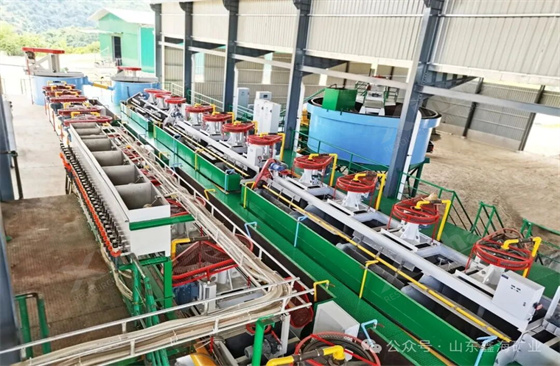
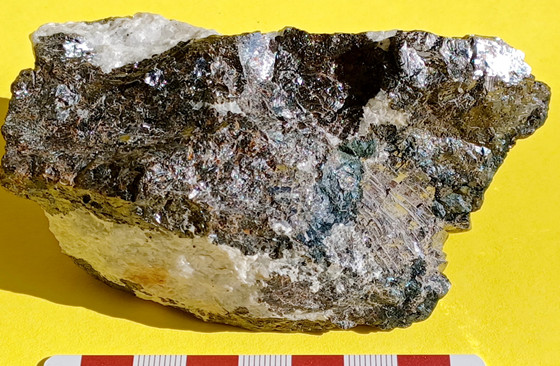
These polymetallic sulfide ores show chalcopyrite, galena, and sphalerite grown tightly together. Separation becomes quite difficult.
✰Sequential Selective Flotation
Teams pick this route for simpler ores that have clear differences in how minerals float. They float copper first. Zinc sulfate and cyanide depress sphalerite during this step. Next, they recover lead minerals with diethyldithiocarbamate collectors. Finally, they add copper sulfate to activate sphalerite and pull out zinc. Many older mines in Europe still prefer this step-by-step method when the ore allows it. The process gives good control over each metal.
✰Bulk Flotation
Here, operators float copper, lead, and zinc together into one bulk concentrate first. They separate the metals in later stages. This approach cuts losses of fine particles. However, it needs more careful reagent management downstream. Plants like this method when ore is finely mixed and they want to catch everything early.
✰Partial Bulk / Equal-Float Flotation
These flexible methods work well on ores with mixed mineral behavior. Partial bulk flotation first collects minerals that float similarly. Then it separates them one by one. Equal-float flotation shines on ores where lead and zinc behave almost the same. Both options help improve selectivity. They often lower reagent use and handle changes in ore better.
Key Equipment:
Crushing & Grinding: Jaw Crusher, Cone Crusher, Ball Mill, Hydrocyclone
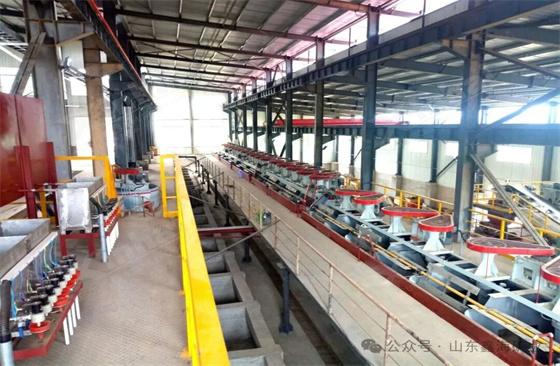
Flotation: Large-volume Flotation Machine Banks (separate circuits for copper, lead, and zinc), Conditioning Tanks, Reagent Preparation System
Activation & Depression: Specialized Agitators for uniform distribution of activators (e.g., copper sulfate)
Dewatering: High-efficiency Thickener, Vacuum Filter, Filter Press
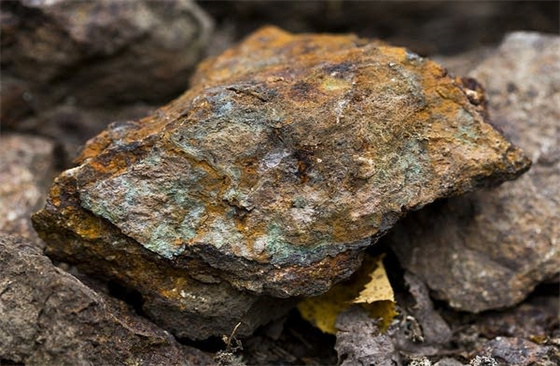
Nickel mainly exists as pentlandite. It often appears with pyrrhotite and chalcopyrite. Some nickel also hides inside pyrrhotite in solid solution.
✰Priority Flotation
This process takes advantage of copper’s stronger natural floatability. It fits ores where copper content clearly beats nickel and the minerals are not too tangled. The flowsheet stays simple and keeps costs lower. Yet, when copper floats, nickel easily gets depressed. Later nickel recovery can suffer. Some smaller mines still use this when copper dominates the ore body.
✰Bulk Flotation (Preferred for Most Cases)
Most modern operations choose bulk flotation for low-grade, finely disseminated, or talc-rich copper-nickel ores. These ores easily create slimes during grinding. Two main routes exist. The first route separates copper directly by depressing nickel with lime or sodium sulfite. The second route sends the bulk concentrate to smelting. It creates copper-nickel matte, then reground and floated for final separation. The smelting route often delivers higher total recoveries when the ore is complex and stubborn.
Key Equipment:
Crushing & Grinding: Jaw/Cone Crushers, Ball Mill (designed for slime-prone ores)
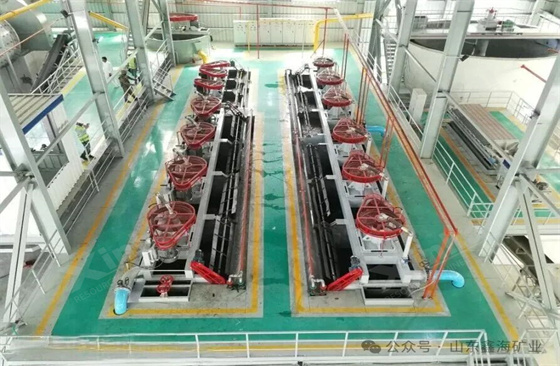
Flotation: Large Flotation Cells, Strong Agitation Tanks (to handle talc and magnesium silicates)
Dewatering: Thickener and Filter Press
Smelting Route Support: Front-end equipment for bulk concentrate preparation (Xinhai mainly supplies up to flotation stage)
Xinhai supplies wear-resistant ball mills, specialized nickel flotation cells, and desliming equipment for ores with high magnesium silicate content. They are experienced in providing full-chain support for complex, refractory copper-nickel ores.
Conclusion
Every copper deposit is unique, with different mineralogy, texture, grain size, and oxidation levels, meaning a one-size-fits-all solution doesn't work. Engineers need to design a specific flowsheet tailored to the ore, starting with comprehensive metallurgical testwork. This testing helps determine the right grind size, reagent choices, and overall flowsheet, leading to higher metal recoveries and improved project economics.
Many operators rush into production without adequate testing, resulting in lower recoveries and increased costs. Taking the time to test upfront can save money over the life of the mine. Our team has supported numerous projects worldwide, helping clients develop strategies for both new and existing operations. Contact our metallurgical specialists to discuss customized solutions and testwork programs that suit your copper recovery needs.
Share your project details and our engineers will get back to you shortly.
 CHAT
CHAT MESSAGE