
On paper, a mineral processing plant is all about design, equipment, and throughput. But once you step onto a real overseas site, things are rarely that straightforward.
Ore grades change. Power cuts happen. Spare parts take forever to arrive. And managing a mixed local and expat team? That’s a whole different challenge.
So the real question isn’t “can you build a plant?”—it’s “can you keep it running, day after day?”
That’s where many projects struggle. And honestly, that’s also where operational experience starts to matter more than anything else.
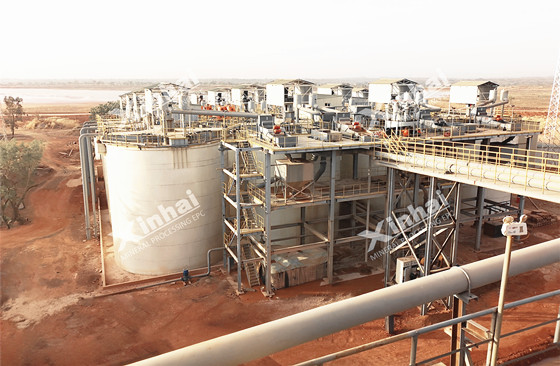
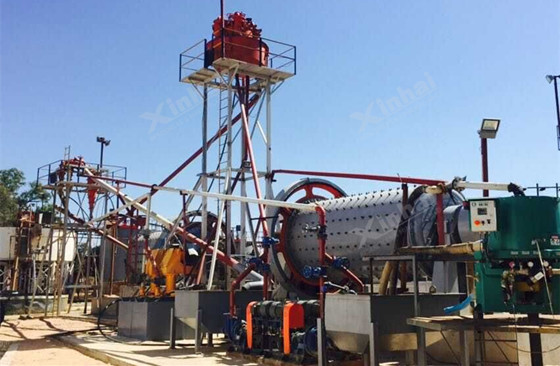
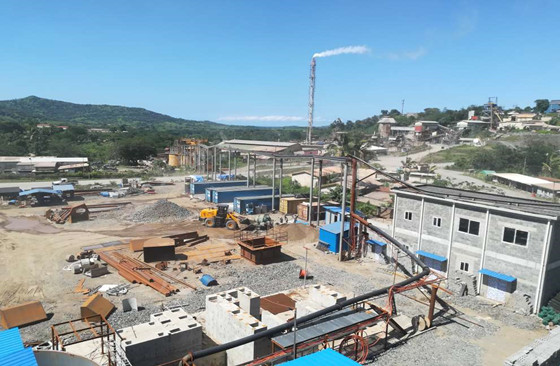
(Overseas gold processing plant in operation with full production line running)
At Xinhai, we’ve learned this the hard way over years of working across Africa, Southeast Asia, and the Pacific. Stable operation doesn’t come from one thing—it comes from getting a lot of small things right, consistently. These strategies are widely applied in mineral processing operation services across global projects.
There’s no single trick. But from our experience, a few key ideas make a big difference.
1. Don’t assume the ore will behave
One of the biggest issues overseas is that ore properties aren’t stable. You might design a process based on test data, but once production starts, things shift.
So instead of locking into a fixed setup, we treat the plant as something that needs constant adjustment:
Regular testing of the ore
Tweaking process settings as conditions change
Keeping a close eye on production data
It’s less about “perfect design” and more about staying flexible.
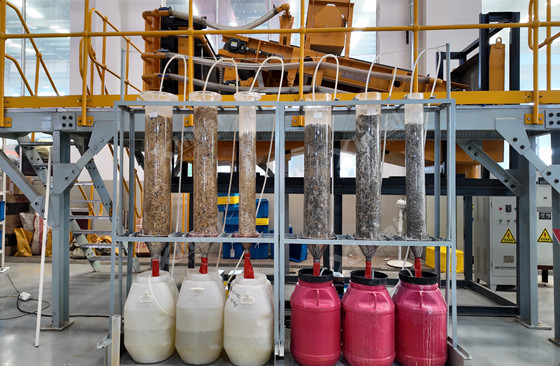
(Metallurgical testing)
2. Fix problems before they happen
In remote locations, when equipment breaks, it’s not just a repair job—it can stop the whole plant.
That’s why we focus heavily on prevention:
Routine checks and maintenance
Keeping enough spare parts on hand (usually months ahead)
Spotting early signs of trouble
Instead of waiting for something to fail, the goal is to keep things running quietly in the background.
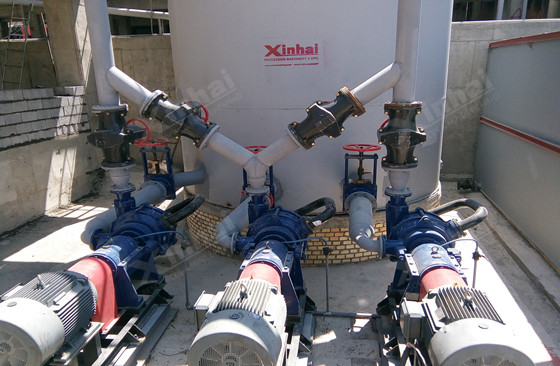
(Routine maintenance and inspection of mineral processing equipment)
3. Control costs without hurting performance
Reagents, power, grinding—these add up fast. If you don’t manage them carefully, costs can get out of control.
We usually rely on:
Real-time monitoring of key parameters
Adjusting reagent usage based on actual conditions
Tracking cost per ton, not just total output
The idea is simple: don’t chase production at any cost—make it efficient.
4. Get the team working together
This is probably the most underestimated part. You’re often dealing with people from different cultures, languages, and work habits. If communication breaks down, everything slows down.
So we try to:
Keep management rules clear and transparent
Respect local customs and schedules
Train local staff and build trust over time
Development of local team leaders to bridge communication gaps
In reality, a big part of stable production comes down to how well the team works together.
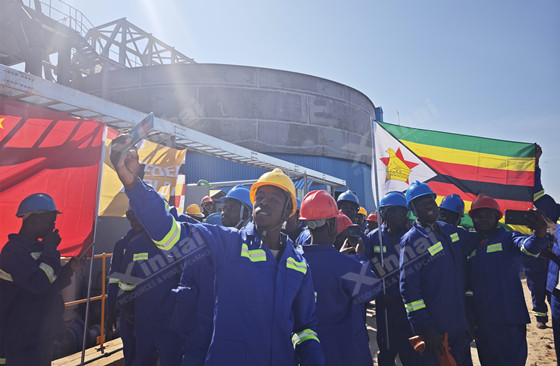
(Local and international team managing mineral processing plant operations on site)
5. Prepare for unstable infrastructure
In many regions, you can’t rely fully on external systems.
Power might cut out. Water supply might fluctuate. Logistics might get delayed.
So we plan ahead:
Backup power systems
Secured supply of key materials
Long-term logistics partners
It’s not about expecting everything to go wrong—it’s about not being caught off guard when it does.
6. Stay ready for the unexpected
Overseas projects always come with some level of uncertainty—community issues, policy changes, or sudden disruptions.
We’ve learned to:
Avoid over-dependence on a single workforce source
Have contingency plans ready
Adjust production quickly when needed
Because in reality, stability doesn’t mean “no problems”—it means handling problems without losing control.
One of our operations managers has spent about 10 years working across different overseas projects. He didn’t start as an operations expert—he actually began as a translator. But over time, by staying on site, learning constantly, and getting involved in everything from process adjustments to team coordination, he grew into a full operations lead.
At one project, the plant had to stop due to an unexpected external issue. Instead of waiting things out, the team:
Switched to a reduced production mode
Focused on keeping critical sections running
Pushed quickly toward restarting full operations
As a result, the plant resumed stable production in a significantly shorter timeframe, minimizing financial losses.
To be honest, this kind of capability isn’t built on theory—it’s built on real, on-site experience.
A plant doesn’t succeed just because it was designed well. It succeeds because it runs well—consistently.
From what we’ve seen, long-term stability comes down to:
Being able to adapt to changing ore
Keeping equipment reliable
Managing people effectively
Controlling costs without cutting corners
Staying resilient when things go wrong
At Xinhai, these aren’t separate pieces. They’re part of a single system built into our mineral processing EPC services—from design to long-term operation.
If you’re planning a plant—or dealing with one that isn’t performing as expected—it might not be a design issue. It might be an operations issue.
Looking for a reliable mineral processing operation partner?
Contact Xinhai for EPC+M+O solutions—and let’s make sure your plant doesn’t just start, but keeps running.
Share your project details and our engineers will get back to you shortly.
 CHAT
CHAT MESSAGE