cases
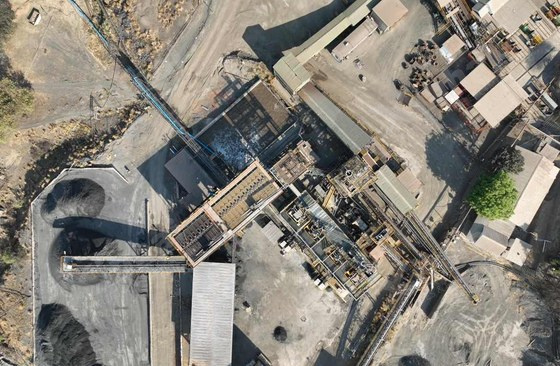



This upgrade in Limpopo Province, South Africa, replaced the gravity circuit of a chrome concentrator—previously limited by low yield and inconsistent product quality—with high-intensity magnetic separation, increasing design capacity from 360,000 t/a to 480,000 t/a and adding platinum and palladium recovery from the magnetic tailings. Xinhai Mining provided the design, equipment and commissioning services.
Dual-Feed Circuit Design: The plant processes underground ore and historic tailings through parallel circuits that converge on the PGM flotation stage. The design covered high-intensity magnetic separation, flotation, filter pressing, reagent dosing, power supply, auxiliary facilities and piping.
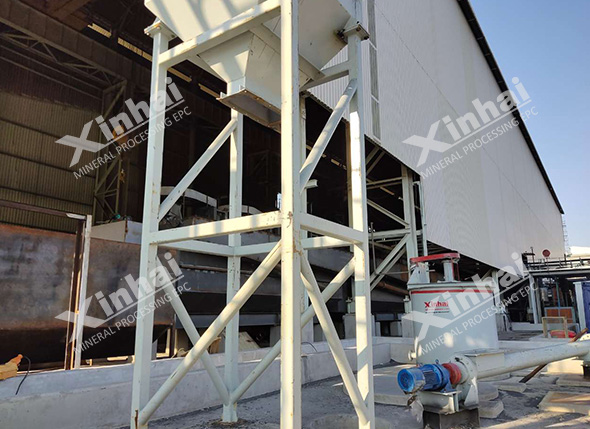
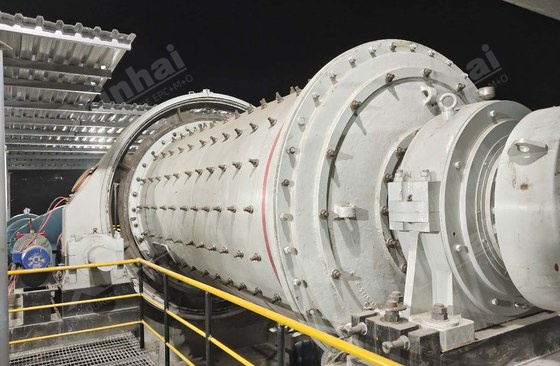
Underground Ore Circuit: Underground ore is coarse-crushed by a jaw crusher, screened and hand-sorted, then ground in a closed-circuit ball mill ahead of magnetic separation, with fines stored in the fine ore bin for stable mill feed.
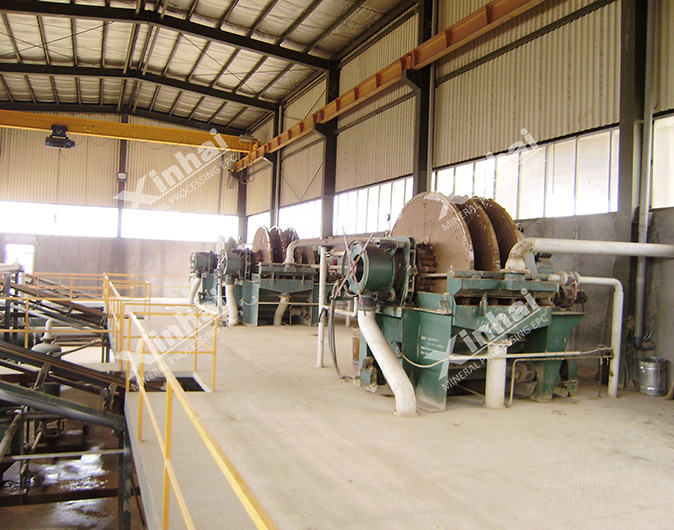
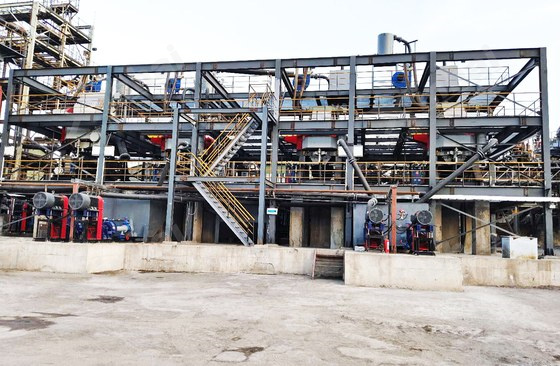
High-Intensity Magnetic Separation: Vertical-ring magnetic separators carry out roughing, cleaning and scavenging in place of the original gravity process, raising chrome yield and concentrate grade; the chrome concentrate is dewatered in an inclined-plate thickener and a belt filter to below 15% moisture.
Regrind of Magnetic Tailings: Magnetic tailings are thickened, classified by hydrocyclone and reground in a ball mill to 90% passing 200 mesh — the regrind fineness identified through testwork as giving the highest PGM recovery for this fine-grained material.
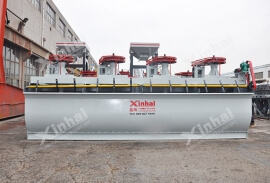
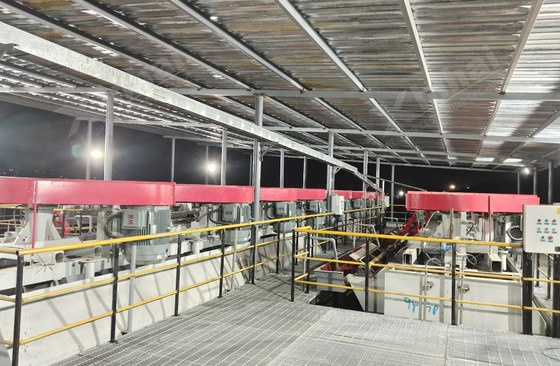
PGM Flotation and Dewatering: Reground tailings are conditioned with an expanded reagent scheme suited to fine-particle flotation, then treated through two roughing, two scavenging and three cleaning stages; the PGM concentrate is dewatered by a membrane box-type filter press.
Stockpiled Tailings Circuit: Historic tailings are scrubbed and conditioned in the dam area and pumped directly into the magnetic separation circuit, converting stored material into chrome concentrate and PGM feed.
Design started under the contract effective October 2022, was re-baselined after the client enlarged the plant scale in March 2023, and was completed in September 2023. In Decemb, the upgraded plant was commissioned successfully oner 2024 the upgraded plant was commissioned successfully at the first attempt, producing qualified chrome concentrate while platinum and palladium were recovered from the magnetic tailings, with design capacity raised from 360,000 t/a to 480,000 t/a.
Share your project details and our engineers will get back to you shortly.
 CHAT
 MESSAGE