
Coal gangue is gaining attention as a source of pyrite due to rising sulfur demand and stricter environmental regulations. However, recovering sulfur is complicated by carbon interference. Xinhai engineers improved recovery rates with a targeted beneficiation strategy. This article discusses the renewed interest in coal gangue and the importance of laboratory testing in process optimization
Recovering sulfur from coal gangue is becoming attractive due to rising sulfur demand. However, coal mines face technical barriers during implementation. High carbon content in coal gangue hinders flotation processes, leading to low-grade sulfur concentrates and poor recovery rates, which impacts profitability.
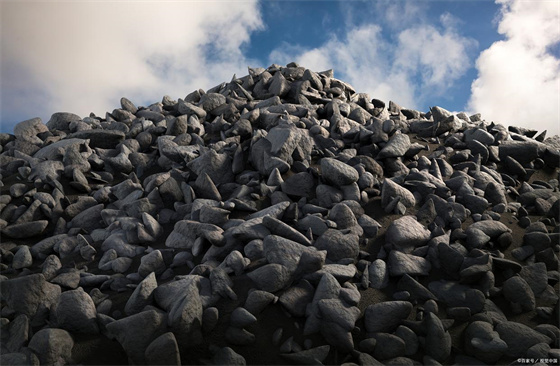
Additionally, fragmented technical services throughout the project lifecycle create further risks. Equipment suppliers focus on machinery without process expertise, laboratories lack engineering execution capabilities, and engineering firms often deliver designs without operational insights. This results in promising lab findings that fail during production.
Xinhai addresses these issues with integrated laboratory testing, pilot validation, and engineering solutions tailored to high-carbon coal gangue, transforming waste into a consistent revenue-generating resource.
Xinhai specializes in high-carbon, sulfur-bearing coal gangue, using actual samples from the Xinda Coal Mine (Guizhou) and Changzhi Coal Mine (Shanxi) for testing. Our multi-round trials identified and resolved carbon interference, leading to a cost-effective process suite.
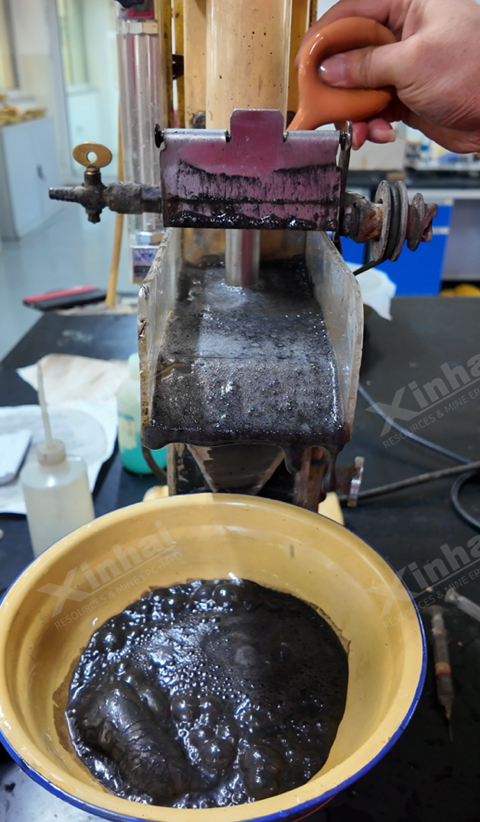
(Flotation Tests on Coal Gangue)
Conventional flotation fails with high-carbon gangue, while Xinhai's gravity separation and gravity-flotation combined processes effectively reduce carbon impact. These methods consistently achieve sulfur concentrate grades above 40%, with high recovery rates, operational stability, and improved project economics.
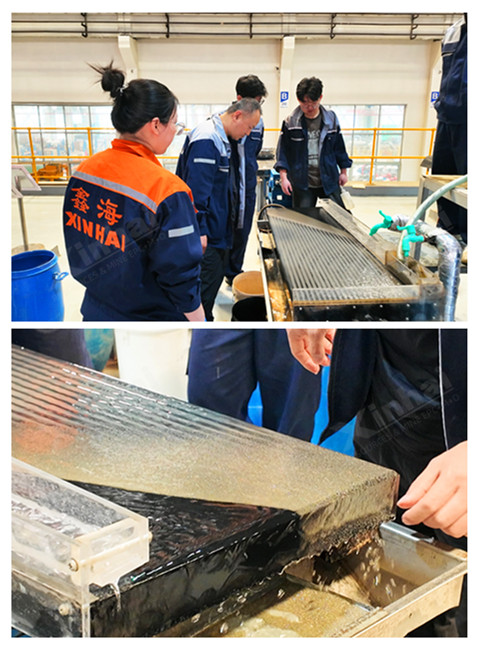
(Gravity Separation Testing of Coal Gangue)
Performance Comparison of Coal Gangue Sulfur Recovery Processes
Separation Process | Operational Result | Industrial Viability |
Single Flotation | Severe carbon interference; low concentrate grade; high mineral loss | Unsuitable for high-carbon gangue; not recommended |
Single Gravity Separation | High concentrate grade; limited overall recovery; moderate returns | Only viable for uniform particle sizes; low adaptability |
Classified Gravity Separation | Separate treatment by particle size; reduces carbon interference; optimized recovery; strong adaptability | Recommended mainstream solution for most high-carbon gangue projects |
Gravity-Flotation Combined Process | Pre-decarbonization + deep sulfur recovery; high concentrate grade; high resource utilization efficiency | Custom solution for projects requiring high-grade concentrate |
Built on extensive field data, Xinhai delivers a streamlined, production-ready flowsheet. We remove redundant stages, minimize equipment count, reduce OPEX, and improve fault tolerance. Our system suits greenfield and brownfield projects of all scales—delivering both sulfur recovery revenue and compliant solid waste disposal.
1. Run-of-Mine Pre-Treatment for Coal Gangue
Screen and remove oversize waste rock and debris to ensure consistent feed size. This stabilizes downstream operations.
2. Grinding and Mineral Liberation
Adjust grind fineness based on ore particle size distribution. This fully liberates pyrite, carbonaceous matter, and gangue while avoiding over-grinding energy waste or under-grinding inefficiency.
3. Particle Size Classification
Separate the ground material into coarse and fine fractions using hydrocyclones or classifiers, allowing each fraction to be processed under more suitable separation conditions. This resolves mixing issues inherent in traditional methods and lifts overall recovery.
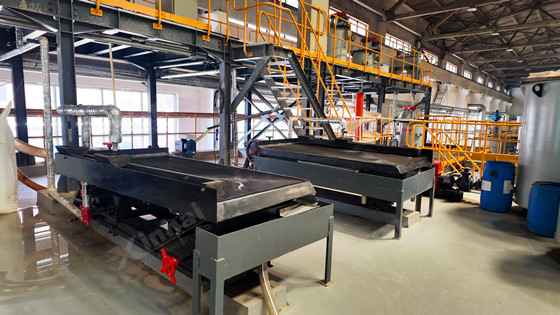
4. Gravity Separation for Decarbonization and Sulfur Recovery
Leverage density differences to recover high-grade sulfur concentrate early while rejecting bulk carbon. This significantly reduces carbon entering the flotation circuit, improving flotation selectivity.
5. Selective Sulfur Flotation
Apply tailored reagent schemes to selectively suppress carbon and capture fine liberated sulfur particles from gravity middlings—enhancing residual resource recovery.
6. Tailings Management and Resource Utilization
Dewatered sulfur concentrate can be further processed or sold depending on market requirements. Tailings yield kaolin, residual carbon, and other valuables. Final residues support underground backfill or building material production—achieving environmentally responsible utilization and regulatory compliance.
Xinhai provides integrated engineering and EPC services throughout the entire lifecycle of coal gangue beneficiation projects. Our lifecycle service model effectively incorporates test work, process design, EPC delivery, and long-term optimization.
Ore Testing and Process Development
Clients are encouraged to submit gangue samples for analysis in our laboratory, where we evaluate sulfur, carbon, and kaolin content. We then deliver a tailored process report alongside return on investment (ROI) projections to support informed decision-making.
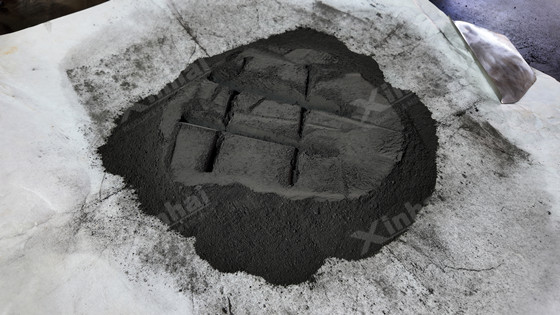
(Coal gangue samples)
Engineering Design Based on Data
Xinhai Mine design institute converts test results into engineering parameters related to layout, equipment selection, civil works, power, and piping systems. Designs are validated through both laboratory tests and field experience to ensure replicability.
Turnkey EPC Delivery
We manages equipment procurement, site construction, installation, commissioning, training, and trial operations, facilitating a smooth transition from contract to commercial production without disconnects between design and execution.
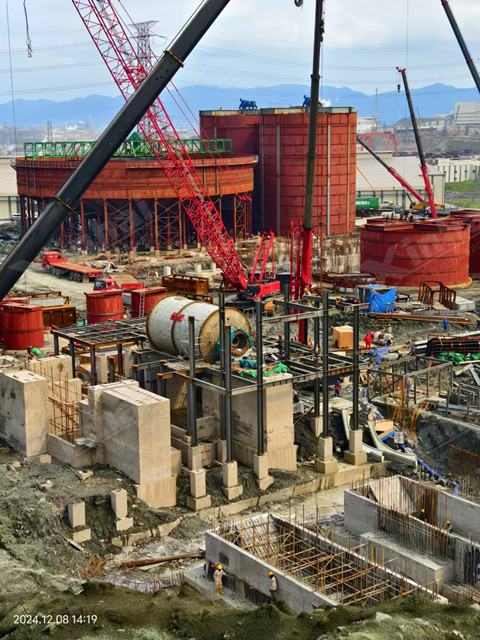
Operational Optimization Support
Post-commissioning, our engineers optimize grind settings, reagent schemes, and separation parameters to adapt to ore variability, ensuring stable yields and sustained profitability.
Coal gangue beneficiation requires more than equipment selection. It depends on understanding ore characteristics, selecting an appropriate flowsheet, and integrating engineering with practical operating experience. By combining laboratory testing, process development, engineering design, and EPC implementation, Xinhai helps mining companies recover sulfur more efficiently while improving resource utilization and supporting long-term sustainable mine development.
Coal gangue can be used to produce construction materials, mine backfill, and road base. If it contains valuable minerals such as pyrite, kaolin, iron-bearing minerals, or residual carbon, it can also be reprocessed through beneficiation to recover these resources and improve resource utilization.
Yes. Sulfur can be recovered from coal gangue containing pyrite. For high-carbon coal gangue, a combined gravity separation and flotation process is often more effective than flotation alone. Laboratory testing is recommended to determine the most suitable process.
Coal gangue often contains carbonaceous materials that interfere with flotation and reduce sulfur recovery. Its mineral composition also varies significantly between deposits, making laboratory testing essential for selecting the right beneficiation process.
The best process depends on the ore characteristics. For many high-carbon coal gangue deposits, gravity separation followed by flotation provides better sulfur recovery and concentrate quality than flotation alone.
Share your project details and our engineers will get back to you shortly.
 CHAT
CHAT MESSAGE