
With over thirty years in the mineral processing industry, I've worked on many mineral processing plant construction and upgrade projects. One lesson stands out:
A mineral processing plant upgrade is more than just replacing equipment. It requires a systems-engineering approach that integrates process design, equipment selection, production organization, environmental compliance, safety management, and economic performance.
Many companies expect upgrades to increase throughput and efficiency. However, without careful planning, projects can result in prolonged downtime, unstable metallurgical performance, budget overruns, or failure to achieve design targets.
Based on my project experience, here are six common challenges during concentrator upgrades, along with strategies to mitigate them.
1. The Continuity vs. Capital Dilemma
For an operating mine, downtime means lost revenue. Brownfield upgrades often require construction and production to proceed simultaneously, creating constant interaction between new installations, system tie-ins, and process cutovers. A single integration error can immediately affect recovery and throughput.
Phased implementation generally presents lower risk than a full-scale overhaul and provides better control over downtime.
For example, priority can be given to upgrading process areas with the greatest impact on performance, such as grinding, classification, or flotation circuits. Once stable operation is achieved, subsequent phases can be implemented. In expansion projects, increasing the capacity of critical equipment can help maintain production while reducing equipment count and maintenance requirements.
2. Will the New Process Remain Effective as Ore Characteristics Change?
Process designs are often based on historical composite samples. In reality, ore characteristics evolve over time: grades decline, oxidation increases, ore hardness fluctuates, and slime content rises. A rigid flowsheet may struggle to adapt, resulting in lower-than-expected recovery after commissioning.
Before retrofitting, comprehensive process mineralogy studies and flowsheet simulations should be conducted.
Specialized software such as JKSimMet can be used to model grinding, classification, and separation circuits, helping identify potential bottlenecks before implementation.
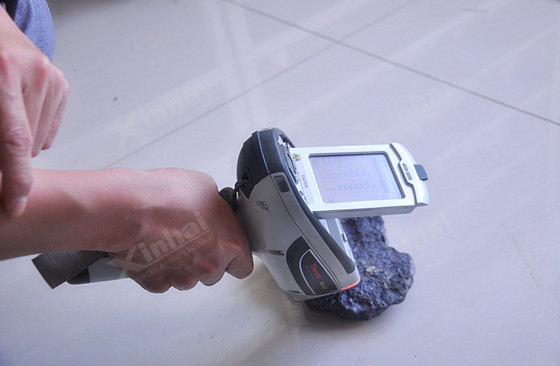
Where appropriate, pre-concentration technologies such as XRT (X-ray Transmission) ore sorting can be introduced to reject waste rock before grinding. This reduces downstream energy consumption, improves feed grade, and creates more favorable conditions for subsequent separation processes.
3. Why Do Upgraded Equipment Systems Sometimes Underperform?
Many operations choose larger and more automated equipment during retrofits. While the equipment itself may be highly advanced, performance issues often arise when system-wide matching calculations are overlooked:
Feed rates exceeding mill capacity;
Flow imbalances causing flotation instability;
Incompatibility between new equipment and existing interfaces.
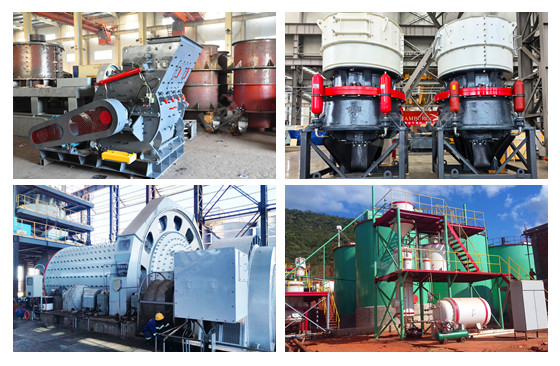
As a result, production performance may fail to meet expectations despite significant investment.
Equipment selection should be based on rigorous system-level design calculations. Both ore characteristics and design throughput must be considered, while allowing flexibility for future expansion.
For new technologies and equipment, a "pilot–demonstration–industrial application" validation pathway is recommended to reduce the risks associated with direct large-scale implementation.
4. Why Do Costs Remain High Despite Increased Throughput?
This issue is often overlooked. Although throughput increases, energy consumption per tonne, reagent consumption, and maintenance costs may rise simultaneously, limiting overall economic gains.
Success should be measured by fully loaded cost per tonne rather than production volume alone.
Since grinding typically accounts for 40%–50% of total plant power consumption, optimization efforts should start there. Common approaches include:
Stage grinding combined with stage separation;
Maximizing classification efficiency;
Tightening circulating load control.
5. EHS and Regulatory Integration
Regulatory requirements continue to become more stringent worldwide. Common challenges include limited tailings storage capacity, inadequate wastewater management, fugitive dust and noise emissions, and insufficient chemical handling controls. Construction-related safety risks are also frequently underestimated.
Environmental improvements should be planned alongside process modifications rather than treated as separate initiatives.
Technologies such as dry-stack tailings disposal, water recycling, and enclosed material handling systems should be incorporated from the earliest processing plant design stages.
For open-air stockpiles, dust suppression, erosion control, and seepage prevention measures should be implemented concurrently.
On the safety side, automated monitoring, personnel tracking, and video surveillance systems can strengthen risk identification and on-site management.
6. Can the Workforce Keep Pace with New Equipment?
Training should begin during project execution rather than after commissioning.
Operations, process, and maintenance personnel should participate directly in commissioning and trial operation activities to build practical familiarity with the new systems.
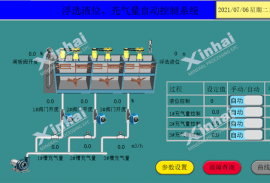
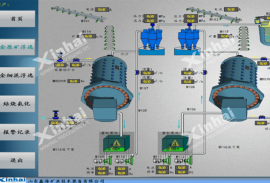
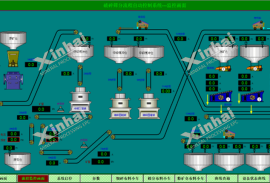
The deployment of DCS, PLC, online instrumentation, and advanced process control systems can further reduce reliance on individual operator experience and improve operational consistency.
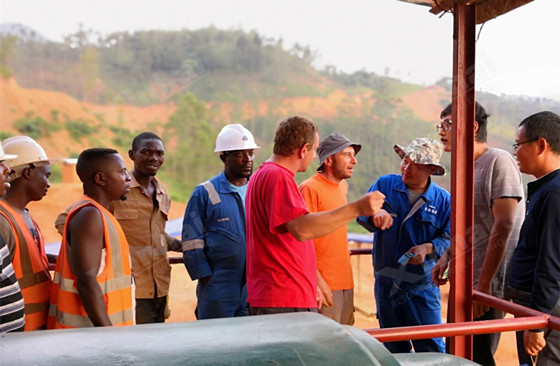
The challenges outlined above are highly interconnected. Many mine design institutes excel at engineering drawings but have limited exposure to site realities, while conventional equipment suppliers often understand individual machines without fully considering overall process integration.
This is where Xinhai Mining's integrated approach provides distinct value.
Xinhai Mining's Systematic Retrofit Capabilities
Leveraging its Mine Design Institute, Xinhai Mining Group provides mine full-lifecycle services covering process design, plant layout, equipment selection, civil works, environmental and safety compliance, and automation systems.
Rather than focusing solely on equipment supply, Xinhai Mining adopts a system-level approach to help mine operations address both technical and operational challenges.
1. Multi-Disciplinary Collaborative Design
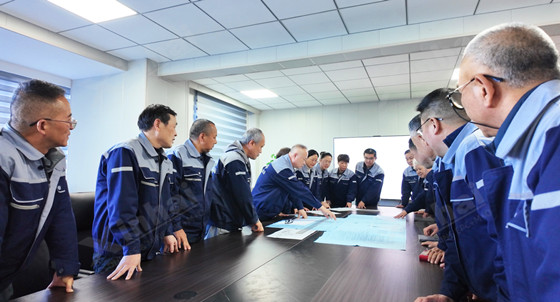
Xinhai Mine Design Institute holds a Certificate of Engineering Design Qualification, covering 18 disciplines including geology, mining, mineral processing, tailings, piping, and technical economics.
More than 80 specialists participate in project development, enabling potential issues to be identified and resolved during the design stage, thereby reducing conflicts during construction.
2. Site-Specific Engineering Philosophy
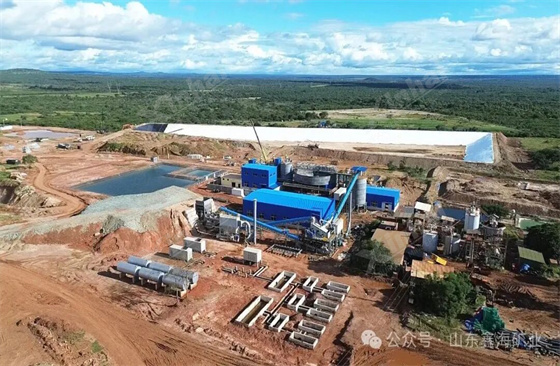
Every mine presents unique resource conditions, topography, and production requirements.
Xinhai Mining Group follows design principles focused on operational practicality, safety, reliability, investment efficiency, and long-term operating performance.
Upon completion of construction drawings, on-site technical briefings are conducted to facilitate effective project execution.
3. International Engineering Consultancy Capabilities
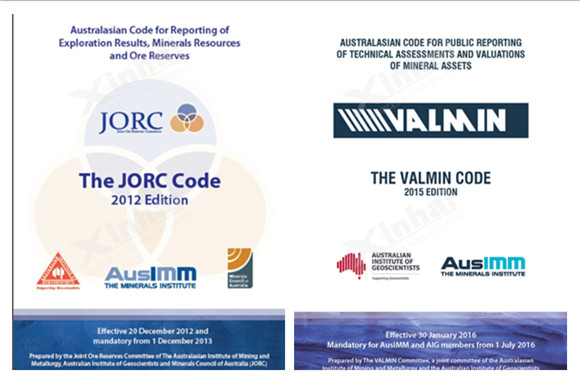
Xinhai's design deliverables comply with the technical requirements of internationally recognized mining reporting standards, including JORC, NI 43-101, and VALMIN.
For early-stage projects, preliminary process recommendations, equipment configurations, and capital cost estimates can be developed based on experience from comparable operations, supporting informed investment decisions.
4. Digital Design and Simulation Analysis
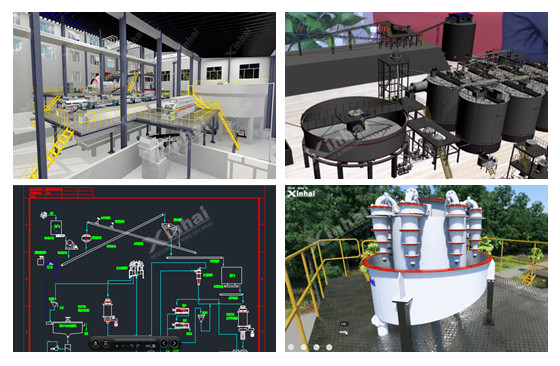
Throughout the mine design process, SolidWorks 3D design platforms and PDM management systems are utilized to improve design efficiency and collaboration.
In addition, Ansys finite element analysis and EDEM discrete element modeling technologies are applied to validate and optimize key equipment and process parameters, providing stronger technical support for project execution.
Conclusion
For many mining operations, plant upgrades represent both a challenge and an opportunity to strengthen competitiveness.
If your mineral processing plant is facing declining recovery rates, excessive energy consumption, aging equipment, or mounting environmental pressures, a systematic assessment aligned with your specific circumstances is advisable.
Only by aligning ore characteristics, process design, equipment selection, operational requirements, and investment objectives can a retrofit project successfully deliver higher performance, lower costs, and sustainable operational improvements.
Share your project details and our engineers will get back to you shortly.
 CHAT
CHAT MESSAGE