
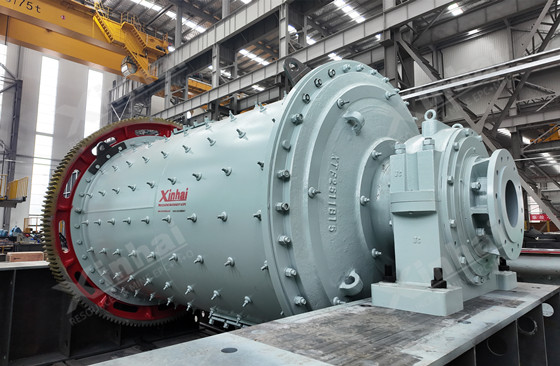
In modern gold mining operations, the ball mill is one of the most critical pieces of equipment. This heavy-duty machine grinds run-of-mine ore into fine particles, effectively liberating precious metals. The efficiency of the grinding process directly influences recovery rates; if the mill fails to achieve the target particle size, the gold will remain trapped within the rock. This guide outlines how to select the right equipment for a gold mining project. Proper maintenance and operation are essential for ensuring the long-term profitability of the processing plant.
The first step in processing ore with a ball mill is understanding its characteristics. Ore hardness and grindability are crucial; harder ores require more energy to achieve the same particle size. The Bond Ball Mill Work Index helps evaluate an ore's resistance to milling and estimates grinding energy and mill requirements.
Feed size also matters. A coarser feed leads to different grinding duties than a finer one. The F80 of the mill feed is considered alongside the ore's grindability.
Additionally, the required fineness of the ground ore depends on the gold mineralogy and the downstream recovery method. If gold is locked in sulfide minerals or gangue, finer grinding may be necessary. However, over-grinding increases energy consumption and produces excessive fines.
Therefore, there is no one-size-fits-all grind size for gold ore. The target P80 should be determined through metallurgical test work based on the specific downstream recovery process, such as gravity concentration, flotation, CIL, or CIP.
Once the grinding requirement is understood, the next question is what type of ball mill and configuration will best fit the circuit.
Wet or Dry Grinding?
For many conventional gold processing plants, wet grinding is used because the ground ore continues through the plant as a slurry. It also integrates naturally with hydrocyclone classification and downstream flotation or leaching.
Dry grinding may be considered where the process requires a dry product or water use needs to be minimized. The choice should be made from the complete process flowsheet rather than from the gold ore itself.
Overflow or Grate Discharge?
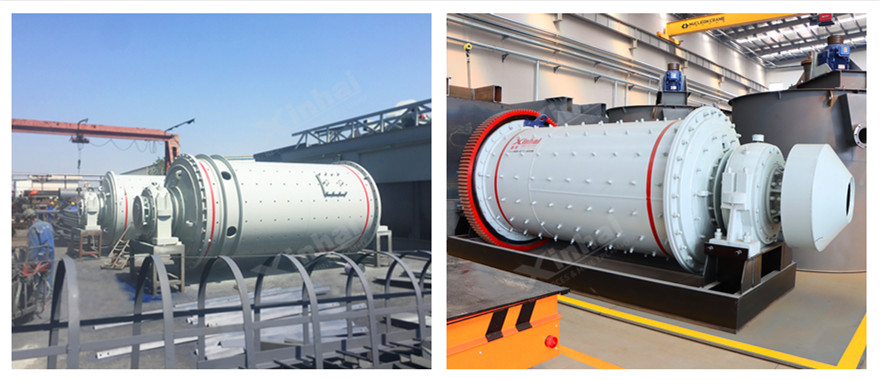
Overflow and grate-discharge ball mills have different discharge characteristics.
An overflow ball mill is commonly used where fine grinding is required and the slurry can leave through the mill trunnion by overflow.
A grate-discharge ball mill uses a grate and lifting arrangement to promote discharge of ground material. It can be suitable for applications where rapid removal of material and higher throughput are important.
Neither type is universally better. The selection depends on the grinding stage, throughput, target product size and classification arrangement.
How Large Should the Ball Mill Be?
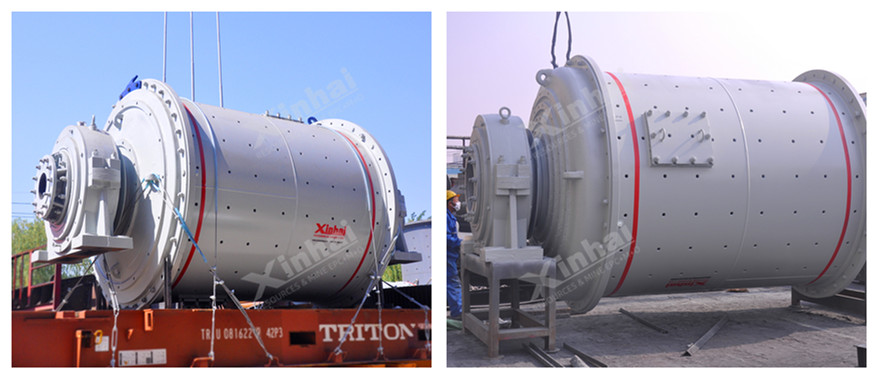
Mill diameter, length and motor power should be determined from the actual grinding duty.
This is where a common purchasing mistake occurs: selecting a mill simply because its catalog capacity appears to match the plant capacity.
A mill rated at 100 t/h under one set of operating conditions may not deliver the same throughput when processing a harder ore or producing a finer product. Feed size, Bond Work Index, target P80 and circulating load all affect the actual duty.
The mill should therefore be sized from engineering calculations supported by testwork rather than from nominal capacity alone.
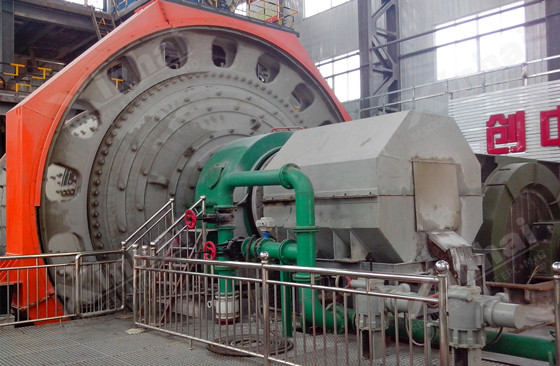
A ball mill is just one part of the grinding circuit. In a closed-circuit setup, material leaves the mill and goes to a classifier, where coarser particles are returned to the mill and properly sized material moves on.
The circulating load affects the mill’s workload. If classification is inefficient, too much material can return, reducing the grinding circuit’s capacity. Poor classification may also allow coarse particles to proceed without sufficient liberation.
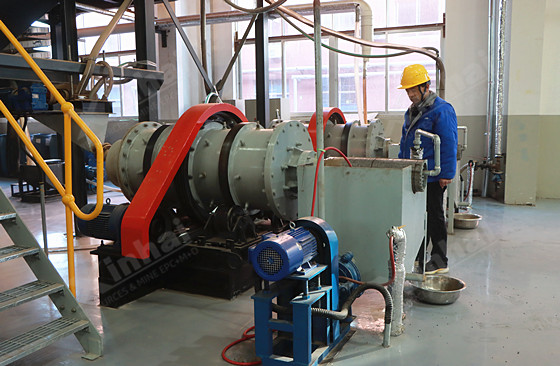
Therefore, it's crucial to consider the ball mill and classifier together. Factors like slurry concentration, cyclone performance, and circulating load must work in harmony. A well-sized ball mill can underperform if the classification circuit is misaligned.
This highlights why selecting a ball mill as a standalone unit is rarely the best choice for a new gold processing plant.
For a new gold project, final mill selection should be supported by representative testwork.
A typical evaluation may include Bond Ball Mill Work Index testing, grinding tests, particle-size analysis and mineralogical or liberation studies. Where the orebody contains significantly different ore types, variability testing can be particularly useful.
This matters because the ore processed during the first year may not behave the same way as ore from deeper or different parts of the deposit.
For example, a project may have relatively soft weathered ore near the surface and harder fresh rock at depth. If the mill is selected only from a soft ore sample, the plant may struggle to maintain the planned throughput when harder ore becomes the main feed.
Selecting the right gold ore ball mill is essential for mining companies to achieve optimal gold recovery. Overflow ball mills are typically used in leaching processes, while grid ball mills are preferred for primary grinding. Buyers should assess processing capacity, ore hardness, and feed particle size before purchasing. Proper maintenance of liners and grinding media can reduce costly downtime.

Xinhai Mining Group, a leading mineral processing equipment manufacturer in China since 1997, offers high-quality ball mill solutions worldwide. We provide durable equipment, supported by design, installation, and spare parts services to maximize gold recovery and minimize costs. Our trusted products are sold in over 100 countries.
For technical consultation or a quote for a gold ball mill, please contact our engineering team.
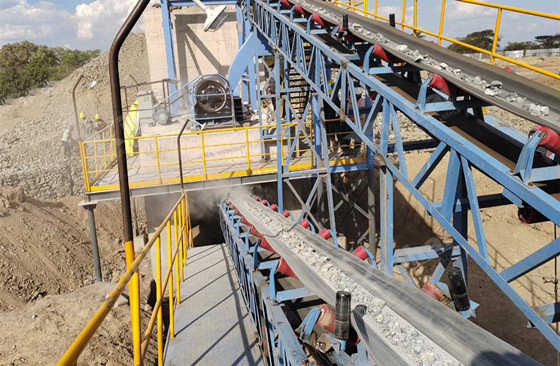
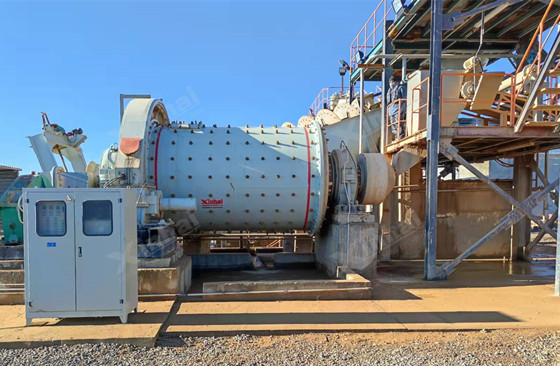
There is no single best type for all gold ores. Overflow and grate-discharge ball mills may be selected for different grinding duties. The decision should be based on ore characteristics, throughput, target P80 and the overall grinding circuit.
Ball mill capacity depends on throughput, ore hardness, feed size, target product size and circuit conditions. Bond Work Index and grinding test results can be used to support energy and mill-sizing calculations.
Wet grinding is common in gold processing because it integrates well with classification, flotation and leaching circuits. Dry grinding may be appropriate for specific process requirements. The choice should be based on the complete flowsheet.
Share your project details and our engineers will get back to you shortly.
 CHAT
CHAT MESSAGE