

With over 20 years in the gold mining and processing industry, I’ve worked on numerous projects involving oxide, sulfide, and refractory ores. The traditional gold extraction process using cyanide (primarily sodium cyanide) has long been the industry standard. However, growing environmental pressures are shifting the focus towards eco-friendly gold-dressing agents—often called non-cyanide or low-toxicity gold leaching agents (such as CNFREE, CNLITE, and Jinchan). These are becoming a mainstream alternative.
So, can gold be extracted without cyanide? Yes, and here’s a clear comparison between cyanide and these newer gold processing chemicals across five key areas: composition, efficiency & recovery, gold recovery methods, cost, and ore suitability.
Cyanide in the gold extraction process
The typical gold leaching chemicals here are sodium or potassium cyanide. Under alkaline conditions, they release cyanide ions which form a stable complex with gold. It's a relatively simple system, often used with modifiers like lime. Crucially, cyanide is highly toxic to humans and aquatic life. While it degrades naturally, treating cyanide-bearing tailings and wastewater is complex and requires strict management.
Eco-Friendly Gold Dressing Agent
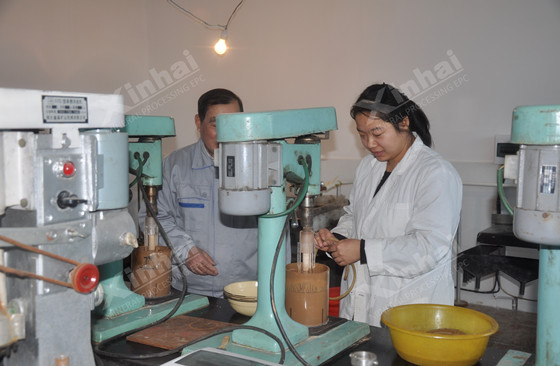
This term refers to a category of commercial, non-cyanide formulas. Common bases include thiosulfate, thiourea, amino acids (e.g., glycine), or halogens (chlorine/bromine), combined with oxidants, stabilizers, and other additives. Most are low or non-toxic (often <1/1000th the toxicity of cyanide) and contain no free cyanide ions.
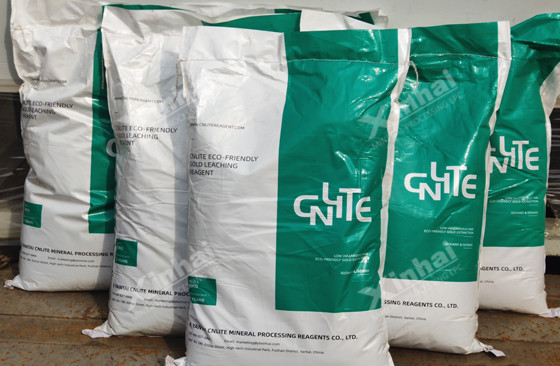
A proven example is the CNLITE Eco-friendly Gold Dressing Agent. Remember, "more eco-friendly" is relative—it doesn't mean completely harmless, but it represents a significant reduction in environmental risk.
Cyanide System
Gold recovery from cyanide solutions is well developed and standardized. Common methods include:
Activated carbon adsorption (Gold CIL/ CIP / CIC)
Zinc powder displacement
Resin adsorption
Electrowinning
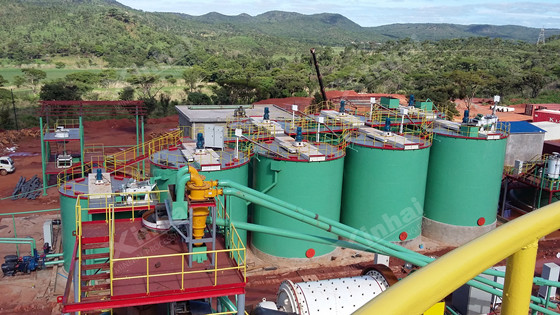
Typical cyanide gold ore processing equipment includes:
Gold cyanide leaching agitation tank
Carbon screen
Washing thickener
Zinc Powder Displacement Device
Activated carbon adsorption equipment
Desorption and electrolysis system
Eco-Friendly Gold Leaching System
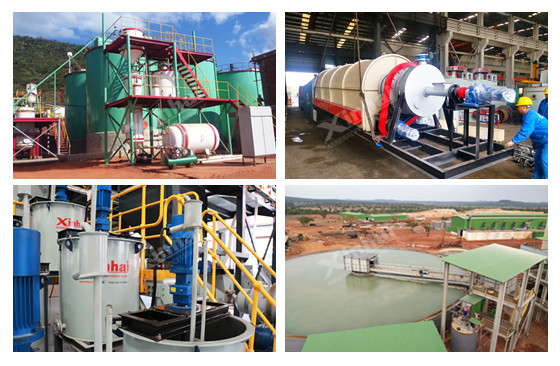
In eco-friendly gold processing chemicals systems, different gold complexes show varying affinity to activated carbon. Some systems are not suitable for carbon adsorption and instead require special resins, solvent extraction, sulfide precipitation, or direct electrolysis.
Overall, non-cyanide gold recovery methods are still under optimization and usually require process redesign based on the selected gold leaching agent.
Cyanide
Cyanide has a low unit price and a stable supply chain. However, when considering total costs—including transport security, detoxification, tailings treatment, and environmental fees—the overall cost increases significantly.
In high-copper or high-sulfur ores, cyanide consumption rises sharply, though proven control strategies exist.

Eco-Friendly Environmental Gold Dressing Agent
Eco-friendly gold dressing agents generally have higher unit prices and more complex reagent systems. However, when well matched to the ore, they can improve recovery, shorten gold heap leaching cycles, simplify tailings management, and eliminate detoxification steps.
In suitable cases, overall operating costs can be reduced by 15–30%, especially when converting low-grade or previously uneconomic ores into viable resources.
Eco-friendly Gold Leaching Reagents | Cyanide Leaching Reagents | |
Applicable Ore Types | Gold-bearing quartz vein type, oxidized gold ore, multi-metallic (e.g., copper-bearing) gold ore, carbonaceous gold ore, primary sulfide gold ore, cyanide tailings, gold concentrate, sulfuric acid roasting slag, anode slime, and other gold-bearing materials. | Low-grade oxidized gold ore, gold-bearing quartz vein type gold ore, oxidized gold ore, and other ores with relatively simple properties. |
Environmentally friendly gold leaching reagents offer broader applicability across various ore types and demonstrate superior performance, especially for complex gold ores containing harmful elements such as arsenic, sulphur, and copper. Their low‑toxicity and eco‑friendly nature make transportation, storage, and use safer and more convenient, aligning with the development requirements of modern green mining.
Although cyanidation reagents feature mature processes and relatively low costs, their high toxicity restricts their scope of application. They also require pre‑treatment for complex ores, and face increasing environmental pressure.
As environmental regulations continue to tighten, environmentally friendly gold leaching reagents are gradually replacing cyanidation reagents and becoming the mainstream choice in the gold mining industry.
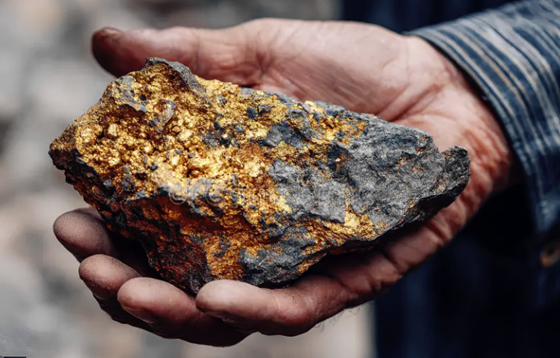
If the ore is suitable for cyanide leaching and environmental requirements can be met through standard detoxification and tailings management, cyanide remains the most economical and reliable option.
If cyanide use is restricted, or the ore is high in copper or carbon, or if the goal is to economically recover low-grade or marginal resources, then one or more eco-friendly environmental gold dressing agents should be carefully evaluated.
A systematic testing program—including leaching, adsorption, recovery, and environmental assessment—is strongly recommended before final process selection.
If your mine is considering a process transition, starting with small-scale testing is the most practical approach. With detailed ore data, Xinhai can provide a customized gold leaching solution and matching gold ore processing equipment tailored to your project needs.
Share your project details and our engineers will get back to you shortly.
 CHAT
CHAT MESSAGE