
When it comes to kaolin mining, two things are absolutely critical for the long haul: the purity of the deposit and its consistency. While kaolin—often called China clay—might seem like a simple material, turning raw ore into a product that’s consistently white, fine, and chemically inert is anything but easy. In my years working on these projects, one stubborn issue keeps coming up: even tiny traces of minerals containing iron or titanium can seriously dull the product’s brightness and hurt its performance.
That’s why precision matters in every single phase. Below, I break down the key stages, from initial site work and digging to crushing, purifying, and final quality checks. Lots of people are familiar with the terms; far fewer grasp the tight engineering control needed at each point. My aim here is to walk you through the essentials, grounded in practical experience, to show not just the “how” but also the “why” behind the process.
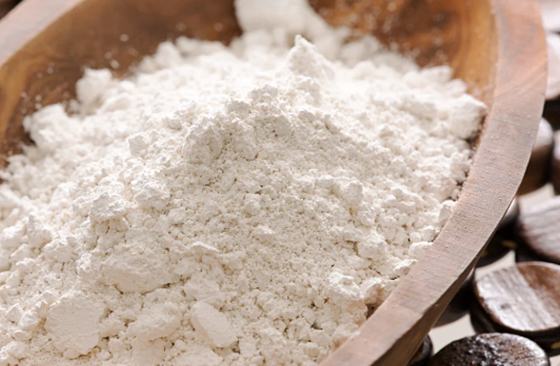
At its core, kaolin is a hydrated aluminum silicate, primarily made up of the mineral kaolinite. What makes it so useful across paper, ceramics, paints, rubber, and even cosmetics is its fine grain, natural whiteness, low abrasiveness, and stable chemistry.
From what I’ve seen, buyers typically zero in on three things: brightness, particle size distribution, and how it behaves during processing. Hitting the right specs consistently depends as much on the natural quality of the deposit as it does on rigorous control throughout the entire production chain.
1. Site Preparation
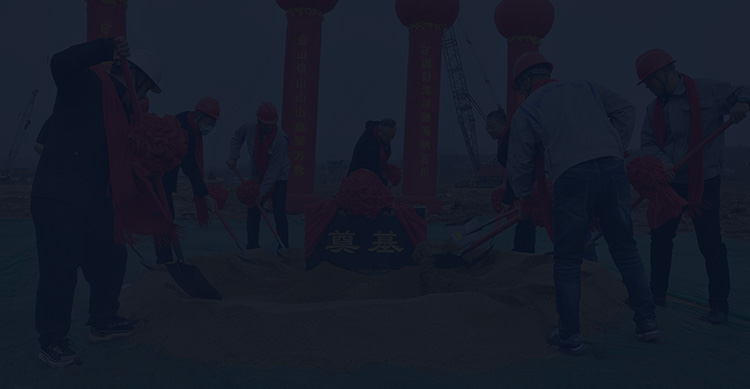
It all starts with the land. Geological surveys pinpoint high-quality deposits, usually found in sedimentary layers. Choosing the right site means evaluating depth, purity, and environmental considerations—and securing all the necessary permits. Heavy equipment then clears vegetation and overburden (topsoil and rock) to expose the kaolin seam, with topsoil often set aside for rehabilitation later. Responsible operators, like the Sharad Group, make site restoration part of the plan from the beginning.
2. Mining
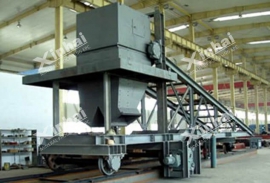
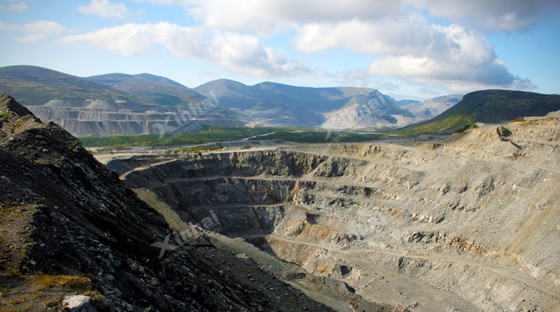
For the shallow deposits typical of kaolin, open-pit mining is the standard approach. Excavators and shovels remove the ore; sometimes high-pressure water jets help break up softer material, creating a slurry that’s easier to move. The ore is then trucked or conveyed to the plant, taking care to avoid contamination. While underground methods exist for deeper seams, open-pit remains the go-to for its efficiency and scale.
3. Crushing and Grinding
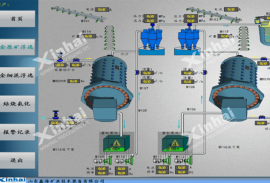
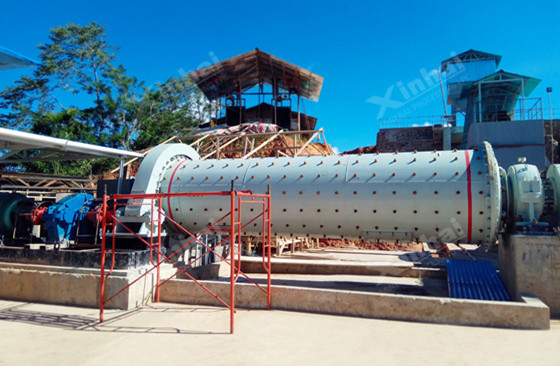
Once at the plant, the ore needs to be broken down. Crushing and Grinding liberate kaolinite particles and reduce ore size for further processing. Jaw crushers, followed by cone crushers or hammer mills, prepare the material for ball milling or attrition scrubbing.
4. Forming a Slurry
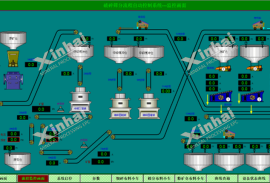
The crushed material is mixed with water and dispersants in large blungers to create a fluid slurry. Getting the solid content and dispersion just right is crucial—it sets the stage for every refining step that follows.
Refining and Purifying the Clay
5. Blunging and Screening
High-speed blunging ensures the clay particles fully break apart. The slurry then passes through screens or hydrocyclones, which pull out coarse sand, quartz, and other oversized impurities. This first cleanup establishes a baseline quality.
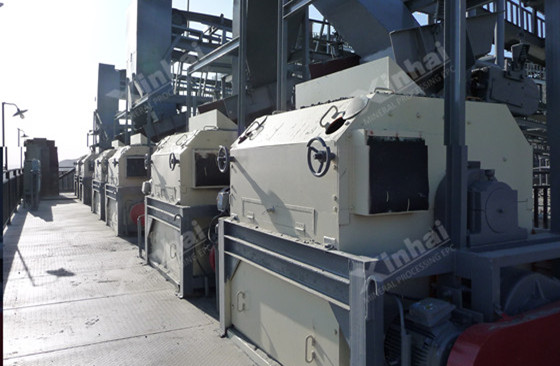
6. Magnetic Separation
This step is key for brightness. High-intensity magnetic separators pull out fine iron-bearing minerals that can give the clay a dull, off-color tint. Based on hands-on experience, tweaking the slurry flow and machine setup here can make a major difference in the final whiteness.
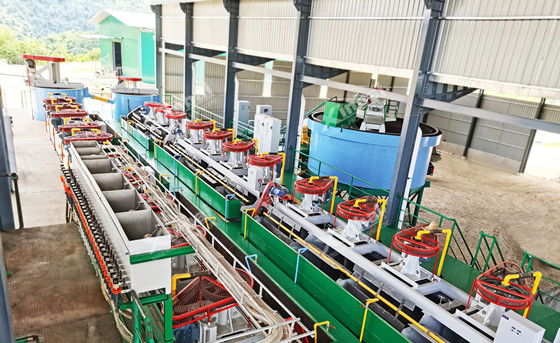
7. Flotation
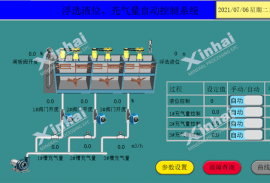
If troublesome impurities like titanium minerals or mica are present, flotation is used. By adding specific chemicals and air bubbles, these impurities are separated and removed. This step requires a careful hand—small changes in pH, chemical dosage, or bubble stability can alter the results significantly. It’s a stage where an operator’s experience really counts.
8. Dewatering and Drying
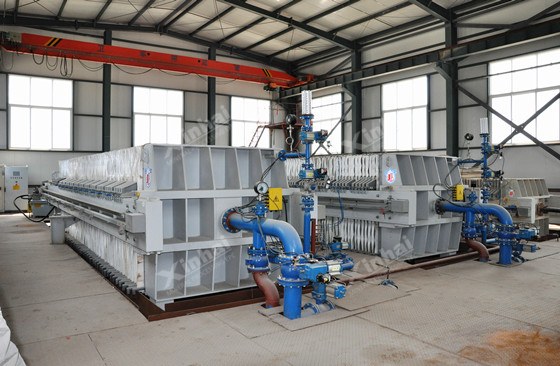
Dewatering
The purified slurry is thickened, then passed through filter presses or centrifuges to remove most of the water, reaching a paste-like consistency. The method chosen depends on the clay’s properties and what the final product will be used for.
Drying
Finally, the material is dried using rotary, spray, or flash dryers. Spray drying, for example, produces a fine powder perfect for cosmetics, while rotary dryers are often used for ceramic-grade clay. Controlled drying prevents the particles from clumping and protects that all-important brightness.
9. Ensuring Quality
The last step often involves final milling to fine-tune particle size. Quality checks run throughout, measuring brightness, viscosity, chemical makeup, and particle distribution. In reality, quality assurance isn’t just a final checkpoint—it’s a mindset that runs through the entire operation. Any slip-up along the way will show in the end product.
Wrapping Up
Producing high-grade kaolin clay is a coordinated effort, blending geology, mechanical extraction, and precise chemical processing. Each stage, from the initial dig to the final quality test, plays a part in delivering a consistent, pure product that meets the demands of diverse industries.
A deep, practical understanding of this process is what enables efficient, stable production. If you’re developing a kaolin project or looking to optimize your current operation, feel free to reach out to Xinhai. Our team specializes in tailored mineral processing solutions to help you get the most from your resources.
Share your project details and our engineers will get back to you shortly.
 CHAT
CHAT MESSAGE