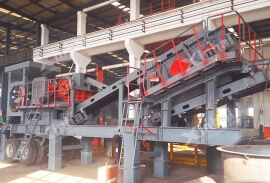


The crushers described below are widely used in mineral processing plants. Proper installation, testing, operation, and maintenance are important for ensuring normal equipment performance.
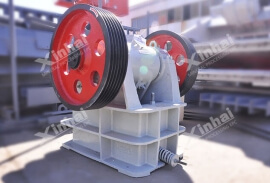
1. Jaw Crusher Installation Notes
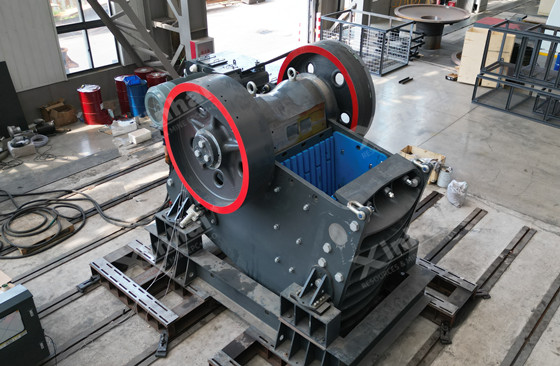
Because a jaw crusher generates considerable vibration during operation, it should be installed on a concrete foundation. To help reduce vibration and noise, suitable damping materials such as hardwood pads, rubber pads, or other cushioning materials may be placed between the crusher and the foundation.
The discharge chute should be fitted with a metal liner and designed with sufficient inclination to allow crushed material to flow smoothly. The discharge opening should be adjusted according to the required product size.
2. No-Load Test Requirements for Jaw Crushers
Before a jaw crusher is put into operation, a no-load test run should be carried out.
During the first two hours of operation, the bearing temperature rise should not exceed 30°C. Operators should also check that all fasteners remain secure, the flywheel rotates smoothly, and no abnormal noise, vibration, or visible wear occurs.
In addition, the discharge opening adjustment mechanism should be tested to ensure that it operates normally throughout its adjustment range.
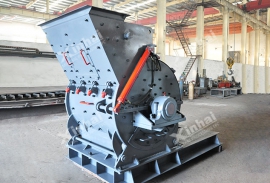
3. Types of Hammer Crushers
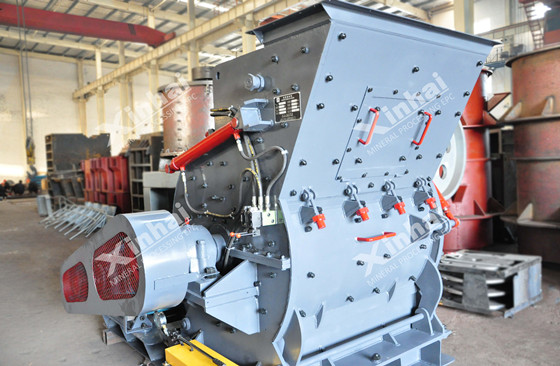
Common types of hammer crushers include:
Single-stage hammer crusher
High-efficiency hammer crusher
Sand-making machine
Vertical shaft hammer crusher
Reversible hammer crusher
Ring hammer crusher
4. Hammer Crusher Safety Precautions
If an emergency fault occurs during operation, the equipment should be stopped immediately.
Electrical faults should be handled only by qualified personnel. Before entering the crusher for inspection or maintenance, the power supply must be disconnected and a maintenance warning sign should be displayed.
All safety devices should remain complete and secure. If the communication or signaling system is not functioning properly, the crusher must not be started.
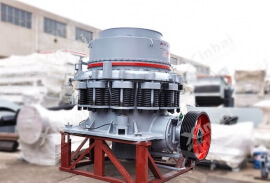
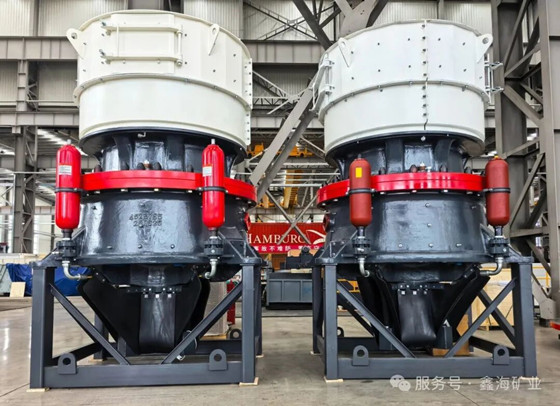
5. Cone Crusher Operation and Maintenance Notes
Before startup, a general inspection of the crusher should be carried out.
The equipment should be started in accordance with the operating procedures, and its operating condition should be monitored during production.
When the ambient temperature falls below 0°C, the water-sealing system and cooling water pipelines should be drained after shutdown to prevent freezing and possible damage to the system.
Share your project details and our engineers will get back to you shortly.
 CHAT
CHAT MESSAGE