

As elevated gold prices in 2026 make low-grade resources more viable, producers face pressure to boost recovery while controlling costs. Heap leaching has become a preferred method for ores and tailings grading ~0.3–1.0 g/t. Compared with conventional milling and agitation leaching, it offers a simpler flowsheet, lower energy use, fewer equipment needs, and reduced capital and operating costs. It is widely applied to oxidized gold ore, by-product ore, low-grade off-balance material, and tailings.
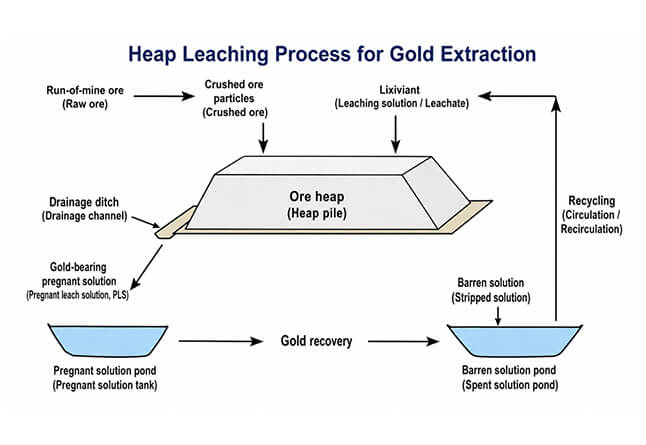
This article walks through the complete heap-leaching circuit — ore preparation, pad construction, ore stacking, solution preparation and distribution, gold recovery, and heap rinsing — and explains how each step affects recovery and cost.
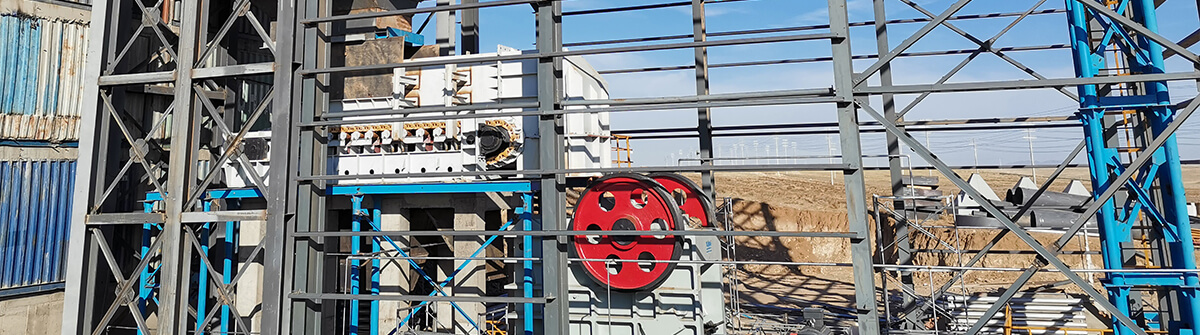
Ore preparation is a critical step in heap leaching. It typically includes crushing, agglomeration, and pretreatment, with the goal of improving ore leachability and heap permeability. Proper preparation helps prevent uneven liquid flow, ponding, channeling, and plugging, while also reducing reagent consumption and improving gold recovery.
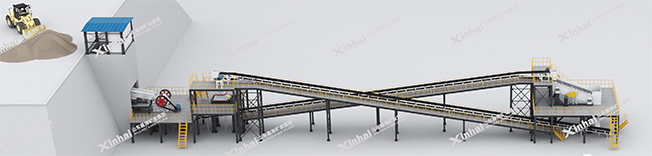
Therefore, selecting the right crushing size is essential for stable heap performance.
For fine ore or ore with a high clay content, agglomeration is often necessary. When the mud content exceeds 8%, a binder such as cement or lime is commonly added at 3–6 kg/t, together with an appropriate amount of sodium cyanide solution. The moisture content is usually controlled at 8–12%, and the agglomerated ore is cured for 8–12 hours to form stable pellets.
Pretreatment may include the removal of oversize waste rock, clay, and other impurities to reduce unnecessary processing load. In some cases, leaching solution can also be added during agglomeration to pretreat the ore, further improving heap permeability and metal dissolution performance.
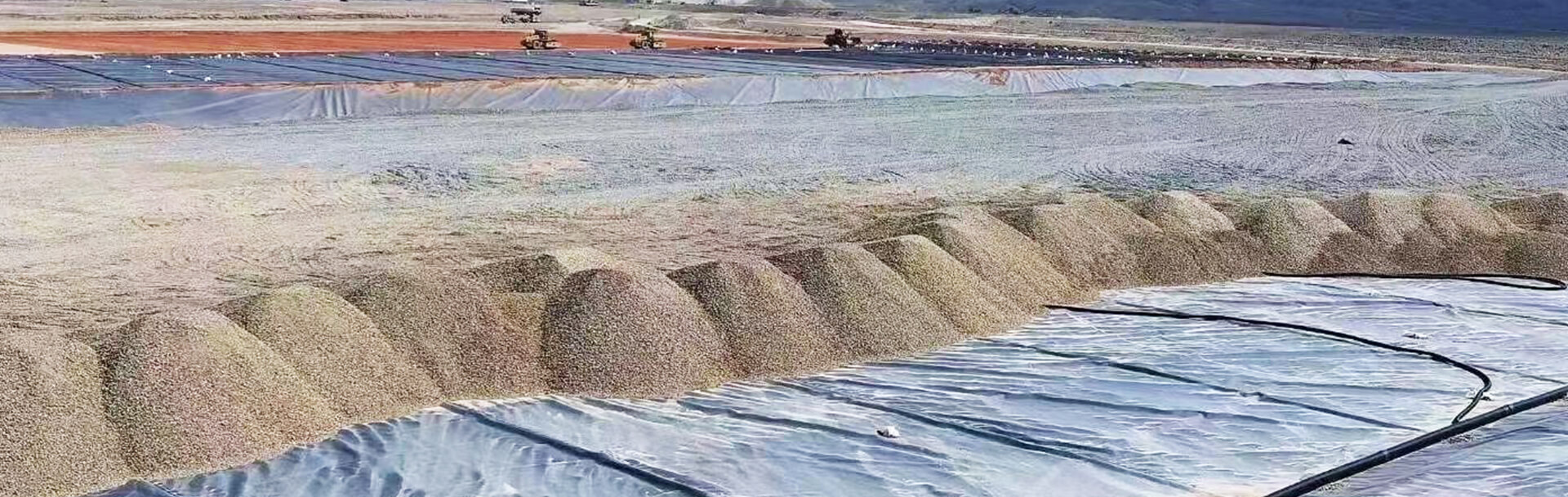
A properly designed heap leach pad is essential not only for production efficiency but also for environmental compliance. The pad base must have a reliable impermeable liner system to prevent cyanide solution leakage and protect surrounding soil and groundwater.
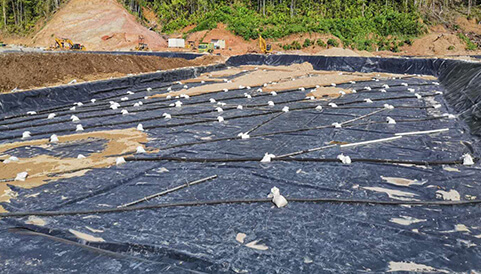
In most cases, the pad is lined with HDPE geomembrane with a thickness of not less than 1.5 mm. The base should also be equipped with:
These systems ensure that the leaching solution can be safely and efficiently collected without leakage, creating the necessary conditions for downstream solution treatment and gold recovery.
The stacking stage generally uses a multi-lift, thin-layer stacking method. Each lift is usually controlled at 3–5 m, while the total heap height may reach 10–30 m, depending on ore characteristics, pad design, and operating requirements.
To ensure uniform solution distribution, ore should be spread in thin layers and the heap top should be kept relatively even. Alongside this, zoned heap management is often adopted to allow sequential leaching.
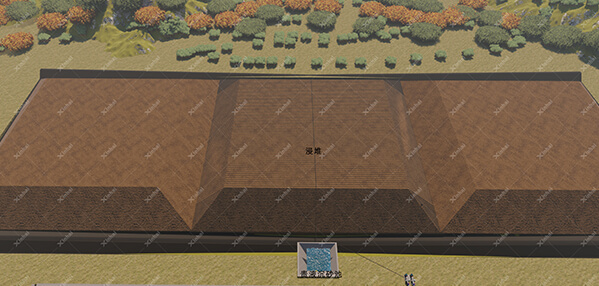
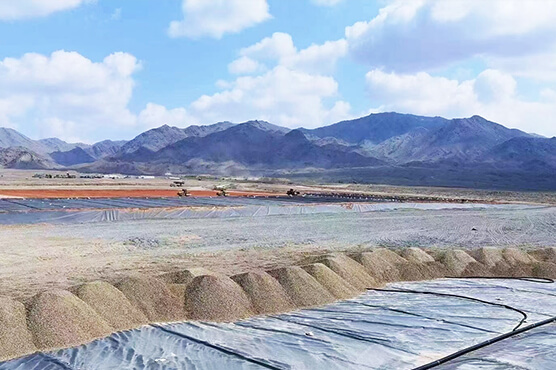
Well-executed stacking allows the leach solution to flow evenly through the ore bed and contact gold-bearing particles more effectively.
The leaching solution is typically prepared using sodium cyanide (NaCN) or, in some cases, lower-toxicity, more environmentally friendly reagents. The reagent concentration is generally controlled within 0.01%–0.1%, approximately 100–1000 ppm.

In parallel, lime (CaO) is added to maintain the solution pH at 10–11. This is a key control point because proper alkalinity can:
Stable reagent concentration and pH control are crucial for achieving good gold dissolution and safe heap leach operation.
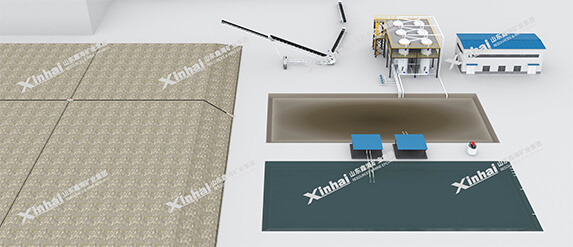
The irrigation rate is typically controlled at 0.1–0.2 L/(m²·min). In many operations, intermittent irrigation is used, with spraying time accounting for about 1/3 to 1/2 of the full cycle. This operating mode helps ensure sufficient leaching while avoiding heap saturation.
After percolating through the heap, the pregnant solution typically contains about 0.5–5 g/m³ gold, depending on ore grade, leach conditions, and leach cycle. The solution is then collected through the drainage system at the bottom of the heap and directed to the pregnant solution pond for further treatment.
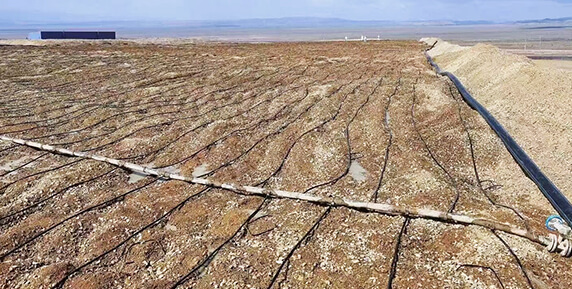
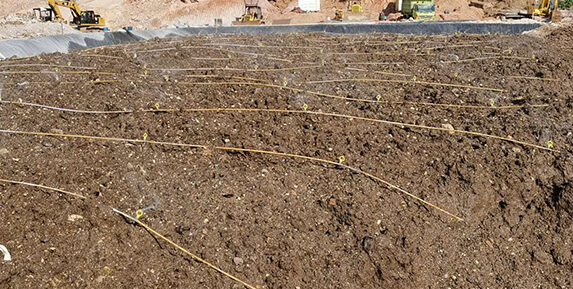
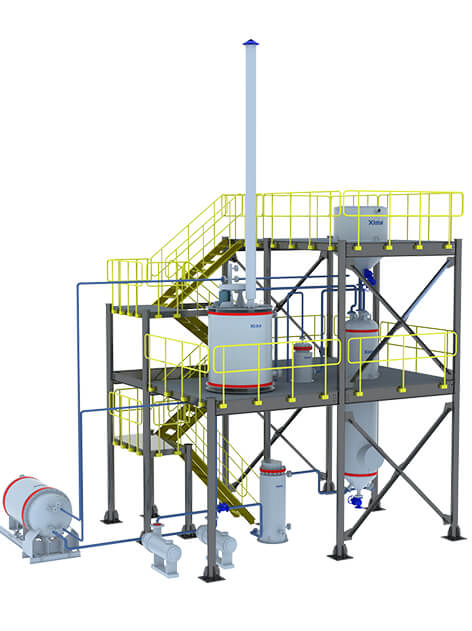
After collection, the pregnant solution must be processed to recover dissolved gold. The most common method is activated carbon adsorption followed by desorption and electrowinning.
The pregnant solution first enters adsorption columns or carbon adsorption systems, where granular activated carbon with a particle size of 2–4 mm is used to adsorb dissolved gold. The typical adsorption flow rate is around 10–15 m/h.
As the carbon loads with gold, it becomes loaded carbon, which is then transferred to the desorption stage once it reaches the target loading.
Desorption is generally carried out under high temperature and high pressure, typically:
A hot sodium cyanide solution is used to strip Au(CN)
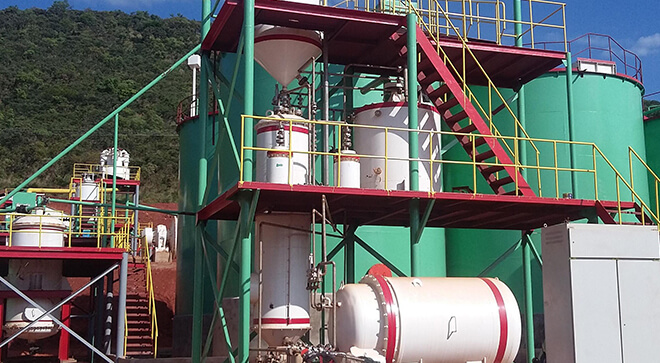
The desorption solution is then sent to an electrowinning cell, where gold is deposited on the cathode as gold sludge. The sludge is further dried, refined, and smelted to produce gold bullion.
In some special cases, especially for ores with relatively high silver content, the zinc powder replacement method can also be used to precipitate gold and silver from solution.
After adsorption, the barren solution can be returned to the leaching circuit for reuse. This helps reduce:
Solution recycling is one of the important reasons heap leaching can offer attractive economics for low-grade gold deposits.
After the main leaching cycle is completed, the heap should be rinsed to recover residual dissolved gold and remove remaining cyanide. Rinsing is usually performed using industrial water with a pH of 8–10 for approximately 2–3 hours of continuous spraying.
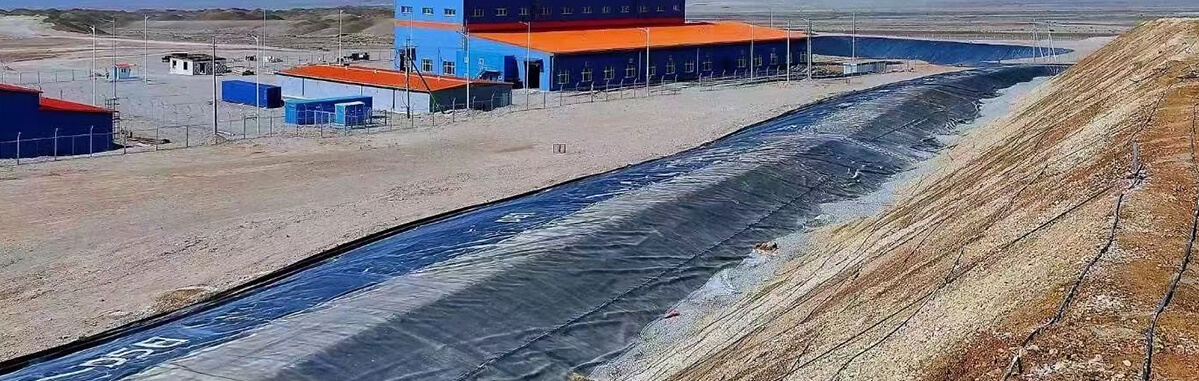
After the rinse liquor is drained, the heap can be unloaded. During unloading, a 2 m thick residue layer is often left at the bottom to protect the containment liner.
Proper rinsing and unloading are important for both environmental protection and site reuse.
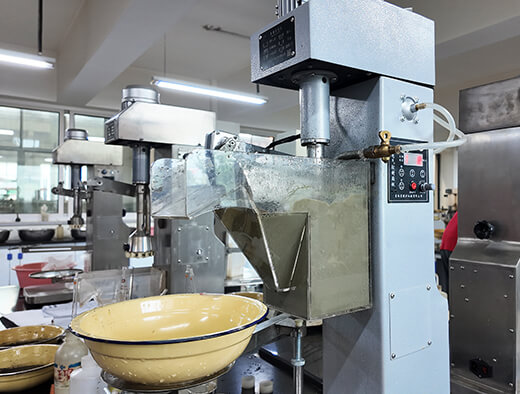
Heap leaching succeeds or fails on ore characteristics that cannot be judged by eye — clay content, permeability, gold occurrence, and preg-robbing potential. Xinhai’s in-house Mining Research Institute operates a CNAS-accredited laboratory and an industrial-scale pilot test base, completing 200+ metallurgical test programs annually across 70+ mineral types.
Before we recommend a flowsheet, we test your ore — and if heap leaching is not the right answer, we will tell you that too.
With rich experience in gold beneficiation and mine development, Xinhai can help clients design economical and efficient solutions for low-grade gold resources under changing market conditions.
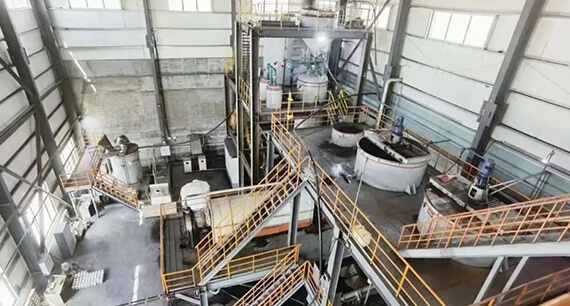
Xinhai’s gold track record spans heap leaching, CIL/CIP, flotation, and tailings reprocessing routes — because the right process depends entirely on the ore, not on a preferred flowsheet. Representative projects include:
| Project | Scale | Region |
|---|---|---|
| Zimbabwe Gold Tailings Reprocessing EPC Project | 500 t/d | Zimbabwe |
| Xinjiang Gold Project | 2 Million t/a | China |
| Mongolia Gold Projec | 3 Million t/a | Mongolia |
| Russia Gold Project | 500 t/d | Eastern Europe region |
| Malaysia Gold Project | 500 t/d | Malaysia |
Process routes for each project were selected on the basis of ore testwork and metallurgical characteristics. If you would like the detailed process configuration for a specific project, our technical team can walk you through it.
If you are evaluating a low-grade gold ore, oxidized gold deposit, or gold tailings project, Xinhai can help you determine whether heap leaching is the right solution through professional mineral processing testwork and engineering design.
Share your project details and our engineers will get back to you shortly.